A majority of the American public, polls suggest, have been against the ongoing US-Israeli military campaign in Iran from the day it started. Republicans, however, have largely stuck by their president as the war approaches the end of its fourth week. But that may be changing.
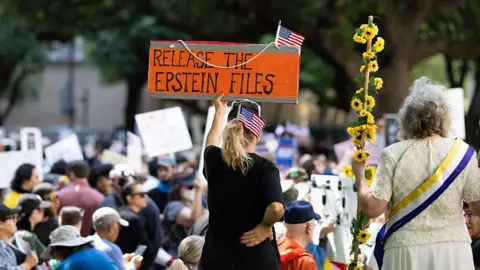
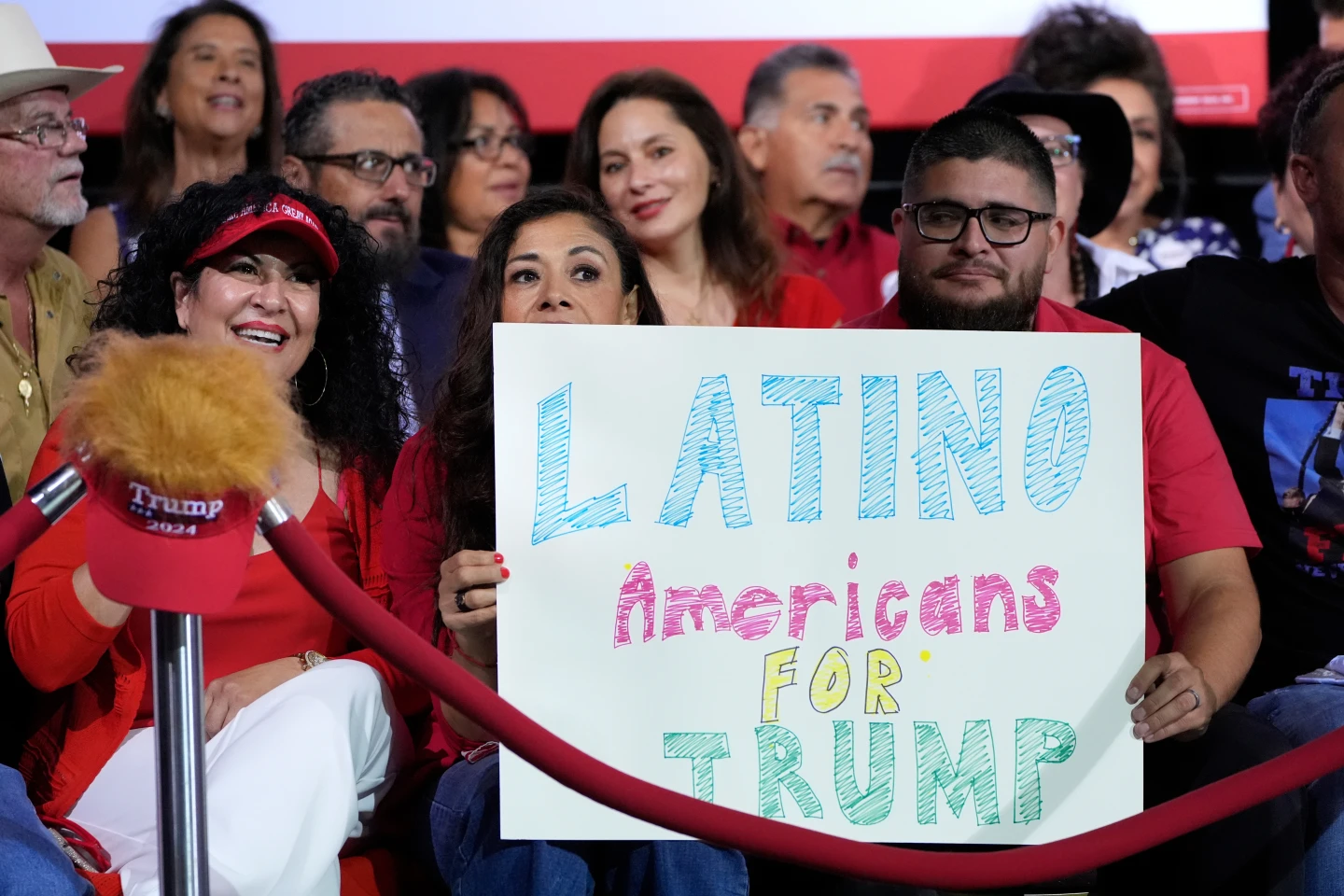
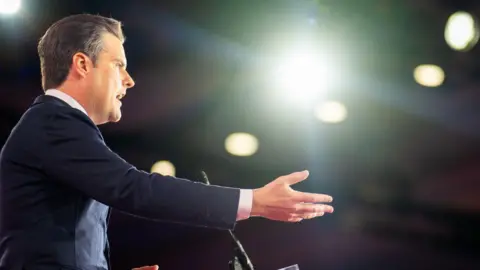
At the annual Conservative Political Action Conference (CPAC) in Texas, some of the party faithful expressed concern about why the US started this war, how Donald Trump is going to end it and whether the effort has been worth the costs.
Samantha Cassell, a first-time attendee from Dallas, articulated her fears for the future: I just wish that there was more transparency on why we're doing what we're doing… I hope it comes to an end quick, because it's the cost of living, the oil and gas, the prices are only going to keep going up.
Younger conservatives attending the event shared similar sentiments. Toby Blair, a 19-year-old college student, voiced skepticism about America's role in foreign conflicts, stating, I don't like that it's become America's job to find bad people and get rid of them.
As the CPAC crowd reflects a notable generational divide on the Iranian issue, many attendees seem to grapple with conflicting beliefs about the necessity and execution of military action abroad. With the Trump administration facing increasing scrutiny from both older and younger conservatives, pivotal questions about the future of US foreign policy and its implications during upcoming elections become increasingly urgent.
At the annual Conservative Political Action Conference (CPAC) in Texas, some of the party faithful expressed concern about why the US started this war, how Donald Trump is going to end it and whether the effort has been worth the costs.
Samantha Cassell, a first-time attendee from Dallas, articulated her fears for the future: I just wish that there was more transparency on why we're doing what we're doing… I hope it comes to an end quick, because it's the cost of living, the oil and gas, the prices are only going to keep going up.
Younger conservatives attending the event shared similar sentiments. Toby Blair, a 19-year-old college student, voiced skepticism about America's role in foreign conflicts, stating, I don't like that it's become America's job to find bad people and get rid of them.
As the CPAC crowd reflects a notable generational divide on the Iranian issue, many attendees seem to grapple with conflicting beliefs about the necessity and execution of military action abroad. With the Trump administration facing increasing scrutiny from both older and younger conservatives, pivotal questions about the future of US foreign policy and its implications during upcoming elections become increasingly urgent.