In brief
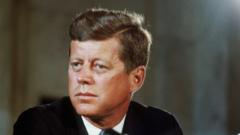
Over 2,000 newly unsealed files related to the assassination of John F. Kennedy have stirred renewed interest and debate among historians and conspiracy theorists alike.
More than 2,000 documents relating to the assassination of President John F. Kennedy have been made public, following recent requests by the Trump administration for declassification. While the release does not resolve all remaining queries, it does feature many documents that were previously redacted, offering a clearer perspective on the case that has fascinated Americans for over six decades. Key findings from the files were assessed by experts, and notable insights were drawn, despite no groundbreaking information surfacing. Former Washington Post journalist Jefferson Morley remarked on the significance of these records, underscoring their potential for deepening understanding of the CIA's extensive monitoring of Lee Harvey Oswald, Kennedy’s assassin. Significant attention was given to Oswald's trip to Mexico City before the assassination, where he may have openly expressed intentions to kill Kennedy—an allegation previously downplayed by the CIA.The newly available documents also reveal detailed accounts of Kennedy's strained interactions with the CIA, as shown in a recently unredacted memo that critiques the agency’s overwhelming influence across United States embassies worldwide. While the CIA typically withholds operational data, the latest files have provided a glimpse into Cold War intelligence practices and the intricate web of presidential and agency dynamics.Even as the newly released information spurs creative theories, it seems to reinforce the persistence of existing narratives of conspiracy surrounding Kennedy's death. Claims related to Gary Underhill, a figure linked to military intelligence, have resurfaced despite some of the information being well-known prior to these revelations.Commonly, laws compel the declassification of these files, yet national security considerations still allow for redactions to remain. While advocates for transparency see the recent disclosures as steps toward greater openness, ongoing debates on Kennedy's assassination, along with the anticipated release of more assassination-related files, mean questions surrounding his tragic death are likely to endure.