In brief
In Fujisawa a proposed mosque has turned a calm coastal strip into a flashpoint for debate. Long‑time resident Noriko Izumizawa worries about how the project may shift community dynamics. While some locals voice fears that the new building could threaten the town’s traditional appearance, others see it as an opportunity to welcome diversity. The dispute reflects larger tensions across Japan, where a shrinking workforce and rising foreign residents are reshaping attitudes toward religion and culture.
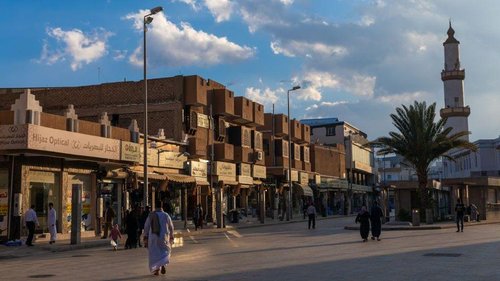
Fujisawa, a quiet seaside town south of Tokyo, is experiencing a buzz that once seemed unlikely in a place known for its calm beach breezes. A planned mosque has become the focus of protests, bringing questions of migration and community identity into the spotlight of a town that has long been almost homogenous.
Long–time resident Noriko Izumizawa shares a common sense of unease. She says the idea of a mosque could change the way her neighbourhood feels, a worry that now draws scrutiny from locals who are unsure about the future. The debate in Fujisawa mirrors what many other small towns are feeling today.
These voices occur against a backdrop of a labour‑shortage crisis and an ageing population. Japan’s government is increasingly relying on skilled foreign workers to fill job gaps while also taking a cautious stance on vast immigration. The cultural diversity of those who come is seen as both a strength and a challenge for traditional communities.
At the local train station, thousands took to the street to hold what many view as the biggest protest in recent history. Those who stand outside the mosque have called for community understanding, hoping that greater knowledge about Islam could reduce tension. Local representatives say that while there are doubts about the mosque’s size compared to the nearby shrine, they also emphasize the need for respectful dialogue.
In neighboring Osaka, Muslim businessman Mohamed Mohideen reports a recent spike in hate‑speech on social media. He says that while most Japanese neighbours are friendly, the public conversation has turned more hostile — a reflection of shifting attitudes towards people seen as “different.” He wants more interaction to break down misunderstandings, suggesting that simple greetings and sharing of cultural practices could build peace.
With Muslims counting about 420,000 in Japan as of late 2024, the country is confronting an evolving demographic reality. The number of foreign residents in the country has doubled in a decade, putting pressure on policy regarding visas and residency. At the same time, the government backs a policy of limiting how many people may live in the country and even raised visa fees after decades of no change.
When the mosque is finished or not is not the only thing that matters. It is how the people who live in places like Fujisawa will navigate these new dynamics. Some locals admit they’ve never had a negative experience with a Muslim neighbour, yet the fear of the unknown lingers. The city’s future depends on how well the community can find common ground while preserving the identity it values deeply.