In brief
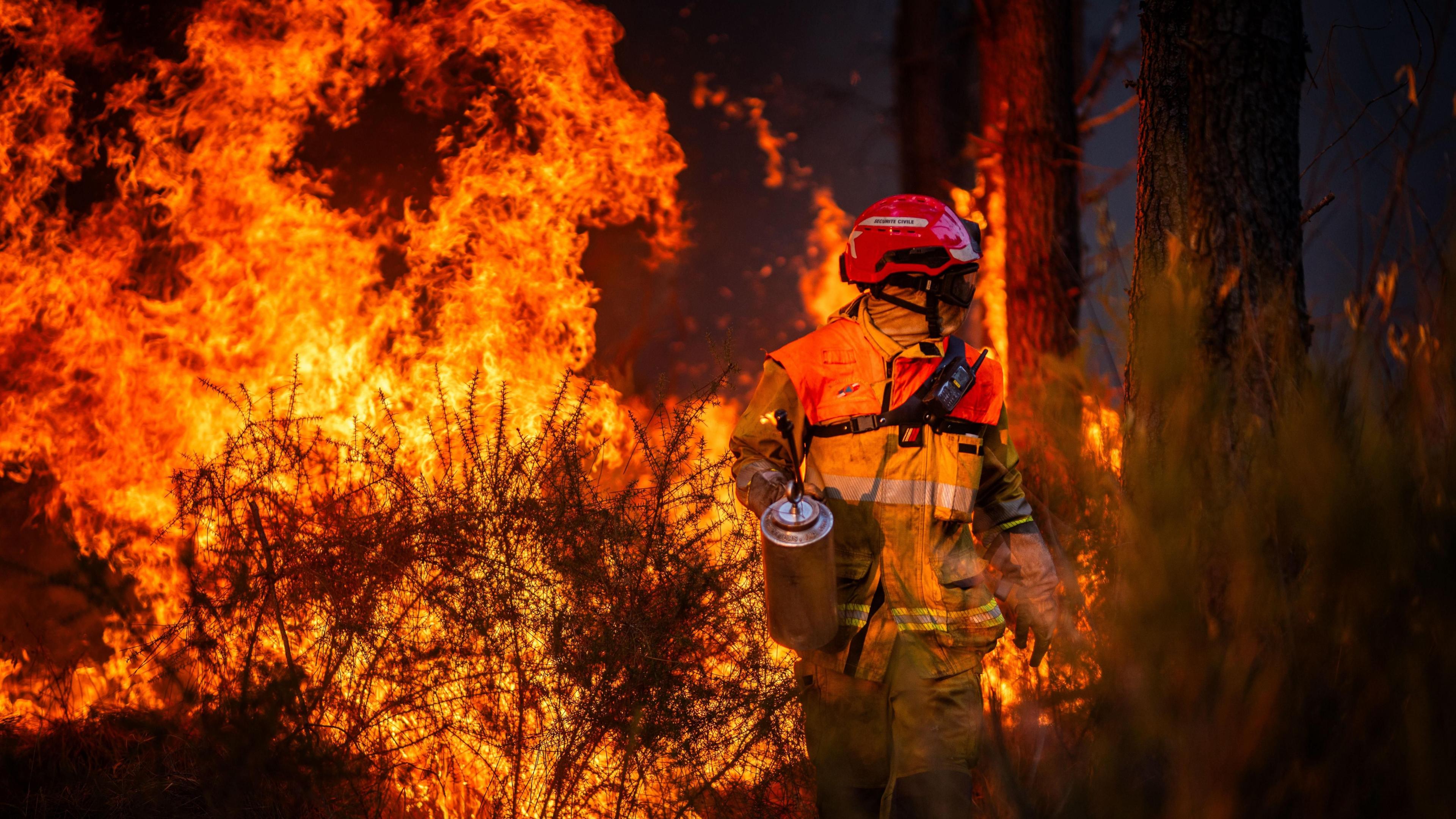
France’s summer wildfires have scorched over 300,000 acres, outstripping devastation since World War II. In the wake of record‑high temperatures, Interior Minister Chemin says nine out of ten fires are caused by humans, leading to 420 arrests—including minors—associated with deliberate or accidental ignitions. While some prosecutions appear heavy‑handed, officials defend strict culpability for actions such as dropping cigarettes or lighting barbecues in dry woodlands. Investigators like Eric Dufayet trace blaze origins using V‑shaped burn patterns, but most fires still stem from accidental sparks, with arson accounting for only a small fraction. President Macron calls for rebuilding forests to adapt to climate change, yet questions about the scale of arrests and preparedness remain.
After wildfires caused more damage in France this year than at any time since World War II, many are left asking a single question: why?
The climate is warming because humanity burns fossil fuels, raising temperatures that set the stage for more frequent and intense fires. Yet the interior ministry says that nine in ten French wildfires are started by humans, prompting 420 arrests so far this summer, including 166 minors.
Among those charged is a 23‑year‑old man accused of deliberately igniting ten fires over five days in the Var region; he faces fifteen years in prison and a €150,000 fine if convicted. A man in the Vosges region was sentenced to three years for three fires, while others—some with financial motives or mental health issues—faced harsh sentences for accidental cigarette butts.
"I was amazed at the number of arrests, it feels excessive," says lawyer Muriel Gestas, who has represented several accused of arson, including two firefighters. Le Monde echoes concerns that police may not have fully investigated many cases given the short notice.
Bordeaux prosecutor Renaud Gaudeul defended the tough approach: "The conditions for a charge of endangering lives are met for those who throw a cigarette butt or light a barbecue in wooded areas. It only takes a tiny spark for it to start."
Investigators such as Eric Dufayet, an officer who probes fire origins, find that the V‑shaped burn pattern often leads back to a single spark. But experts say accidental causes—construction work, faulty electrical equipment, cigarettes, barbecues—account for the majority of fires, with arson behind only a fraction.
Psychiatrist Michel Lejoyeux explains that people who start fires fall into three categories: careless individuals, those who benefit (e.g., insurance payouts), and pyromaniacs. The latter are rare and account for few arson convictions.
President Emmanuel Macron says criticism should not be the priority right now, adding that France must replant and rebuild forests to adapt to climate change. "The time for reviewing lessons learned will come," he said. "In the meantime, the country must remain united."
The damage—hundreds of homes, tourism, local businesses, and air quality—has left the French public with a lot of questions as another heatwave approaches.