In brief
France’s highest constitutional authority struck down a planned ban that would have barred users under 15 from opening social‑media accounts, finding that the measure violated freedom of expression. The decision follows a brief period of debate over harmful mental‑health effects of social media on young people. President Emmanuel Macron will now work with Prime Minister Sébastien Lecornu to draft revised rules that comply with constitutional standards. The controversy reflects a wider European debate, with similar measures proposed in the UK and already in force in Australia for under‑16s. The court’s ruling signals a cautious approach to regulating children’s digital interaction while preserving basic liberties.
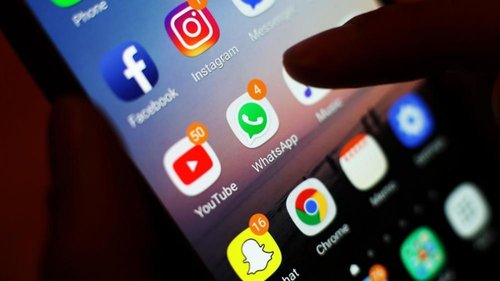
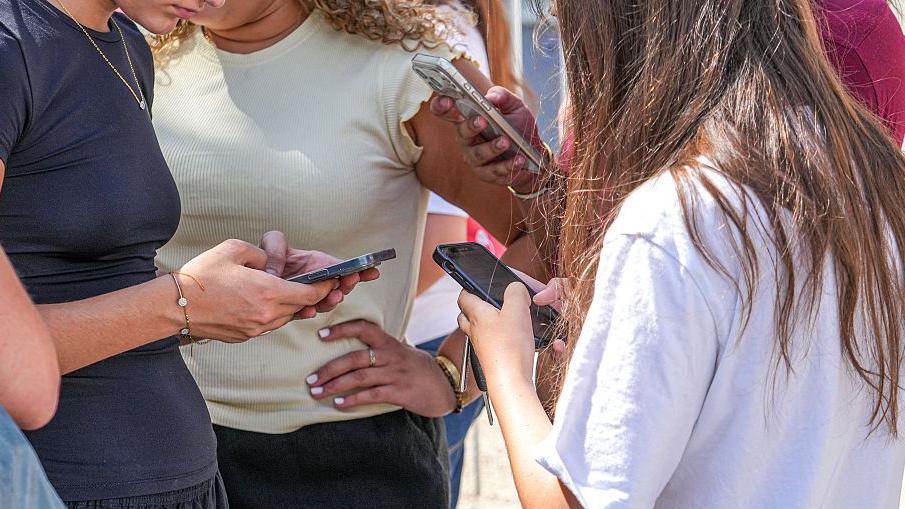
France’s highest constitutional authority has announced a decision that will halt the nationwide ban on social‑media accounts for those under 15. The rule, backed by lawmakers in July, had been framed as a first‑of‑its‑kind European defence against the perceived mental‑health risks of social media for minors.
The Constitutional Council concluded that Article 1 of the proposed law, which would have prohibited account creation for children, infringed on their freedom of expression and communication – a right that is neither necessary, appropriate nor proportionate for that age group. The court also warned that the requirement of age verification lacks sufficient safeguards and could be circumvented by users.
Following the ruling, President Emmanuel Macron directed Prime Minister Sébastien Lecornu to prepare a new draft that addresses the council’s objections. The reform is expected to be presented by early 2027, with the aim of either tightening measures or adopting alternative child‑protection tools.
The controversy comes amid a surge of attention to digital wellbeing across the continent. In May, EU Commission President Ursula von der Leyen proposed a “social‑media delay” for minors, while the United Kingdom announced that people aged 16 and 17 will have a midnight curfew and those under 16 will be banned from social media starting January 2027.
Australia remains the only other country to have implemented a similar ban, lifting it last December for users under 16 – a measure that continues to face criticism because many young users still access platforms.
France’s reversal demonstrates the tension between policy measures intended to safeguard children and the imperative to uphold constitutional freedoms. The debate underscores the need for robust, adaptable solutions that protect privacy, prevent misuse, and still allow young people to participate in the digital world in safe ways.