In brief
During the BTS Arirang World Tour, fans across Southeast Asia faced a chaotic fight for tickets that led to a surge of counterfeit resellers and cyber‑scammers. 202‑plus fans in Indonesia, Thailand, Malaysia and the Philippines reported losses totaling more than $100,000, as fraudsters used social media, fake resale sites, and slush‑mail tactics to pad their wallets. Law enforcement and platform operators have begun suspending reselling on major sites, while Ticket‑master pledges tougher AI‑driven bots and stricter verification. Yet the emotional gravity of missing a beloved concert weighs heavily on fans who have organized internet‑storefront raids, ticket‑buying squads and high‑cost internet cafés in a desperate bid to secure seats.
When a 26‑year‑old fan named Vevee logged into Ticket‑master on 9 June, the triumphant return of the K‑pop group BTS felt within reach. She had bought her Laptop on sale, taken the day off from work and set her phone to ring as soon as the tickets opened. Yet the moment the queue cleared, the search bar filled with a notification that the tickets were snatched up.
In Jakarta, the capitals’, social media posts began flooding with screenshots of failed sales. Fans began circling the auction in desperation, relocating to high‑speed internet cafés, renting smartphones, and timing pre‑sale attempts with a precision that mirrored military logistics.
Little did they know that researchers and investigators were already mapping a scam network that would eventually drain more than $100,000 from South East Asian fans. The scammers used X and paid‑ad groups to lure fans with promises of VIP seats, only to ghost the buyer once the money entered their accounts. The fraudsters logged “power of attorney” forms in order to further legitimize the transaction and often operated through mule accounts that vanished a few days after each sale.
A spokesperson from Ticket‑master, a subsidiary of Live Nation, announced that during the next phases the platform would counter bots and scalpers with new AI technology, confirming that tickets would be verified against buyers’ email addresses and that any resold tickets would be denied entry at the venue.
Authorities in Singapore, Malaysia, Thailand and the Philippines have launched investigations. Singapore’s police logged 62 complaints totalling over S$68,000. The Malaysian police reached 28 complaints in a week, while Thailand’s parliament has heard a complaint from 125 victims. Platform‑based reselling sites like Carousell temporarily suspended the sale of tickets until 22 December, the day of the last BTS show in Singapore.
Fans such as Juraluk Kunaruk, Cookie and Vevee, who had spied a trusted reseller on X and Facebook, have never recovered their money. Requests to recover the funds have met with endless digital labyrinths, often ending in the same empty mailbox. For many, trying to buy a ticket again feels like a gamble with a deep‑cutting stakes of financial loss, emotional trauma and social shame.
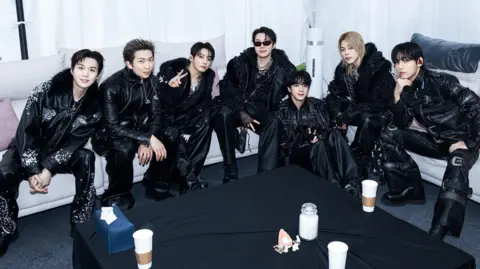
Meanwhile, BTS was poised to play 15 out of 88 shows in South East Asian markets, with tiered pricing ranging from $100 to $300. Though the nine‑member group’s reunion tour is slated to draw an almost $2bn in revenue, it has inadvertently opened a window for opportunists to profit from the front‑row demand and an underserved fan base, as the band’s popularity exploded worldwide after their 2013 debut. The hope is that tighter regulation, platform vigilance and fans’ self‑regulation will curb the tide of scams in future concerts, preventing the energy that fuels their fan culture from turning to the dark side of digital commerce.