In brief
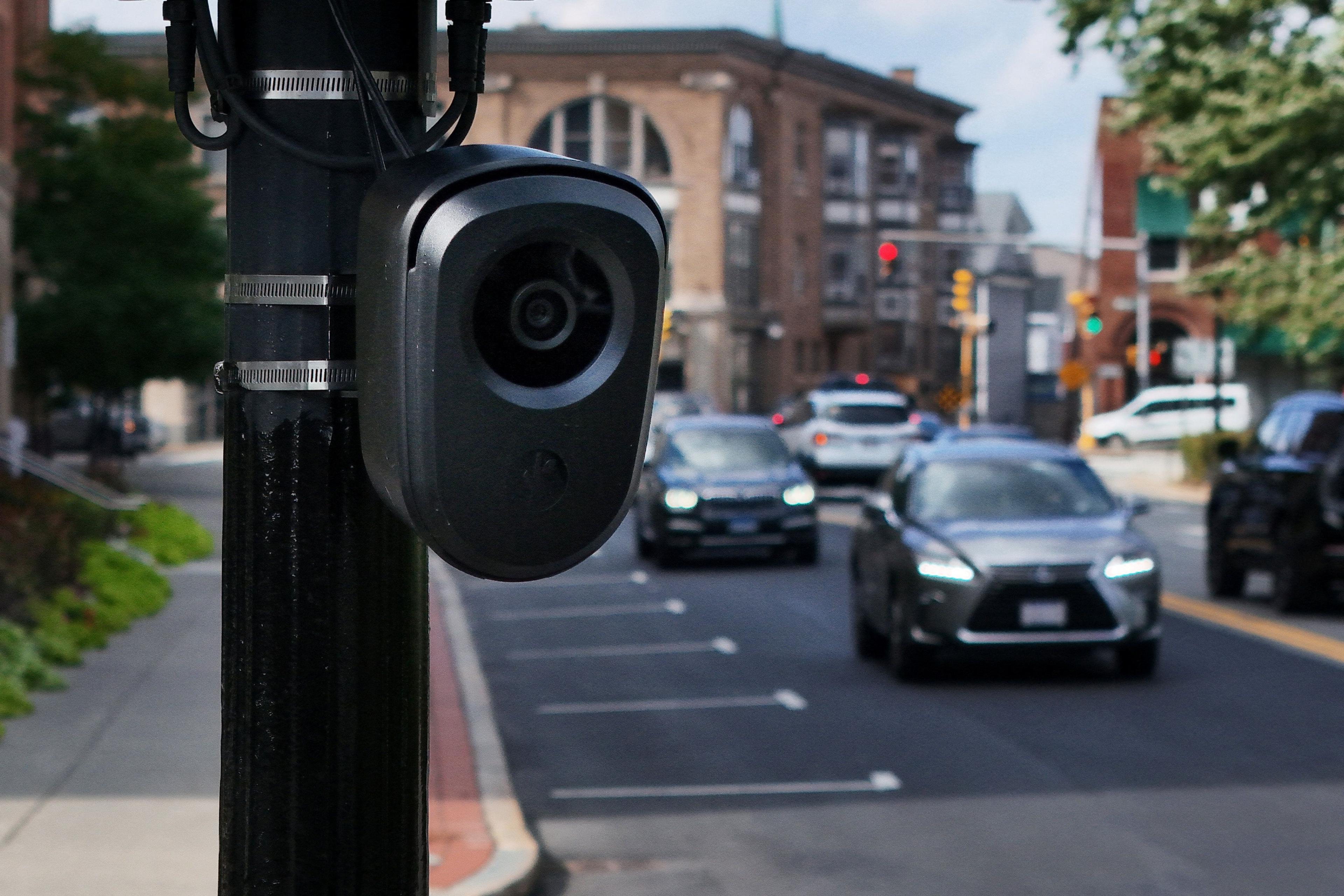
In late July, the black rounded cameras of Flock Safety in Houston’s Old Braeswood were cut down in the middle of the night, a shocking incident in an affluent, tree‑lined area. The sabotage reflects a national trend, with similar attacks occurring across Minnesota, California and Georgia, and fuels debate about the expanding reach of AI‑powered licence plate readers. While some police departments praise Flock for solving crimes and recovering stolen vehicles, critics warn that the technology can track civilians’ daily routes and be used for immigration enforcement. Lawmakers are calling for clearer regulations, and a growing list of cities has cancelled or held back their contracts with the company. As the debate over safety versus privacy continues, residents like Jasmine Khadem Gonzalez feel watched and question the true purpose of this surveillance network.
Three nights after the city’s tree‑lined Old Braeswood streets fell silent, police found a row of black, oval cameras, their metal poles severed and solar panels lying beside them. The devices belong to Flock Safety, a firm that promises its automatic licence plate readers help solve crimes and recover stolen cars.
Flock’s cameras photograph the rear of every vehicle that passes, storing the images for a set period. The company says it works with more than 7,000 communities and has about 100,000 of its devices across the country.
Similar incidents have been reported in Minnesota, California and Georgia. Critics say the cameras are an intrusive “eyes in the sky” that invade citizens’ privacy, especially when the footage is stored for months and can be queried with simple text searches such as “Caucasian man, blue shirt.”
Police often defend the technology as a tool that has significantly reduced theft, bringing back up to 45 cars in the building of the Memorial Villages Police Department that now has a Flock system, according to Chief Ray Schultz.
Meanwhile, an immigrant rights organiser, Jasmine Khadem Gonzalez, fears that the data could be shared with federal immigration authorities, which would effectively allow ICE to track individuals’ movements.
Flock’s founder Garrett Langley maintains that the company is a safety firm, not a surveillance one. He has published no details about where data sits but says the network’s vast reach—some 20,000 devices in a single city network—means law enforcement agencies can investigate more widely than before.
The surge in vandalism, coupled with growing public unease, has prompted over 200 communities—including Los Angeles, Seattle and Austin—to either cancel or not renew their film‑rights agreements. Lawmakers on both sides of the aisle are proposing new rules to protect individuals, with some politicians calling for warrants when accessing Flock data.
As residents debate the balance between safety and freedom, the case in Houston serves as a micro‑cosm for the national conversation around expanding AI surveillance in everyday life.