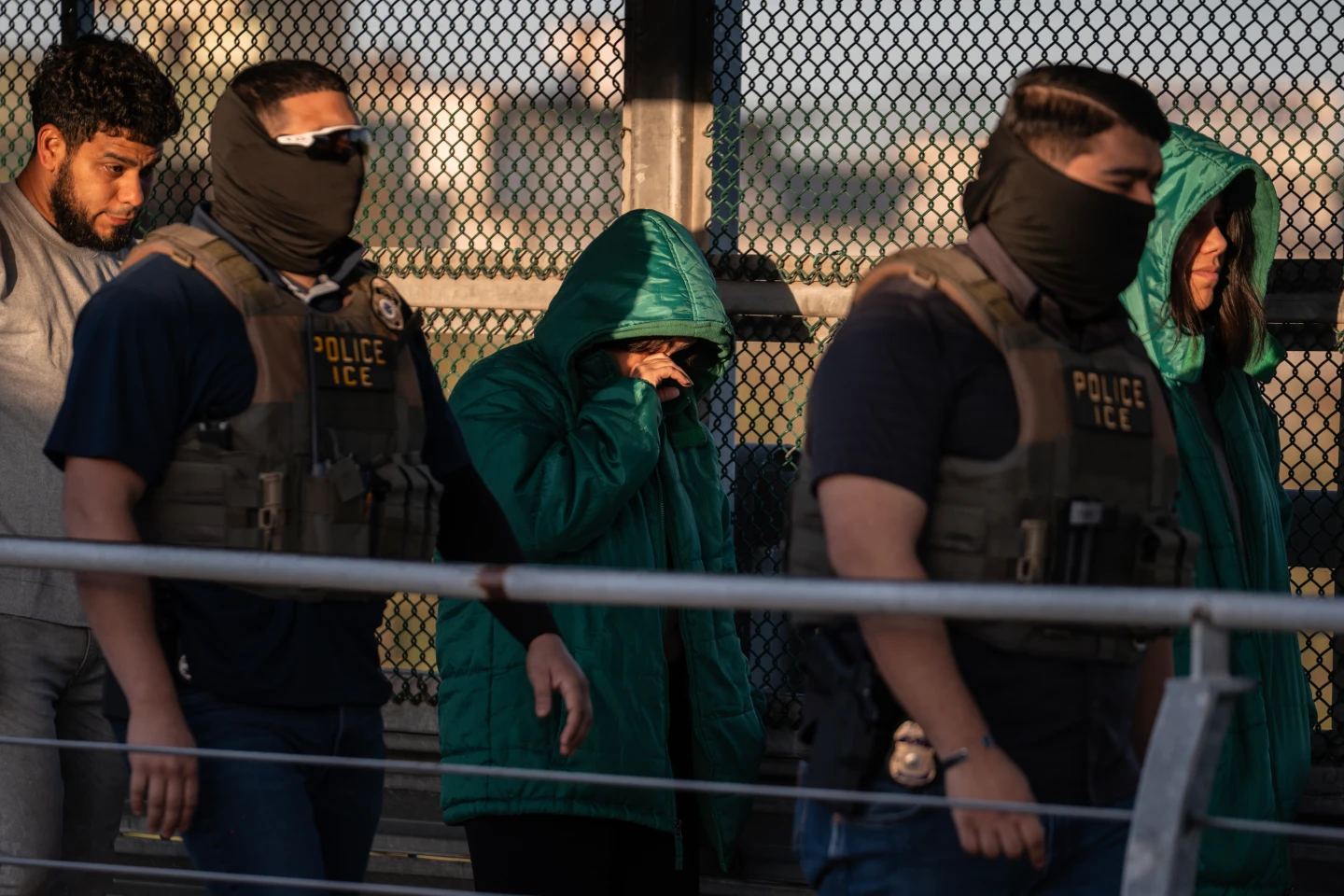
MINNEAPOLIS (AP) — A federal judge on Thursday extended her order requiring that federal authorities give immigrants detained in Minnesota access to attorneys immediately after they are arrested and before they are transferred out of state.
U.S. District Judge Nancy Brasel issued a preliminary injunction requiring that U.S. Immigration and Customs Enforcement must ensure that people detained at a holding facility in Minneapolis are entitled to reach lawyers quickly and to communicate with them privately while their cases proceed.
“Due process is not a game of keep-away,” the judge wrote. “ICE recognizes detainees’ right to access counsel in theory and written policy, but not in practice. Instead, it has placed obstacle after obstacle in front of detainees and their attorneys, blocking communication between clients and counsel.”
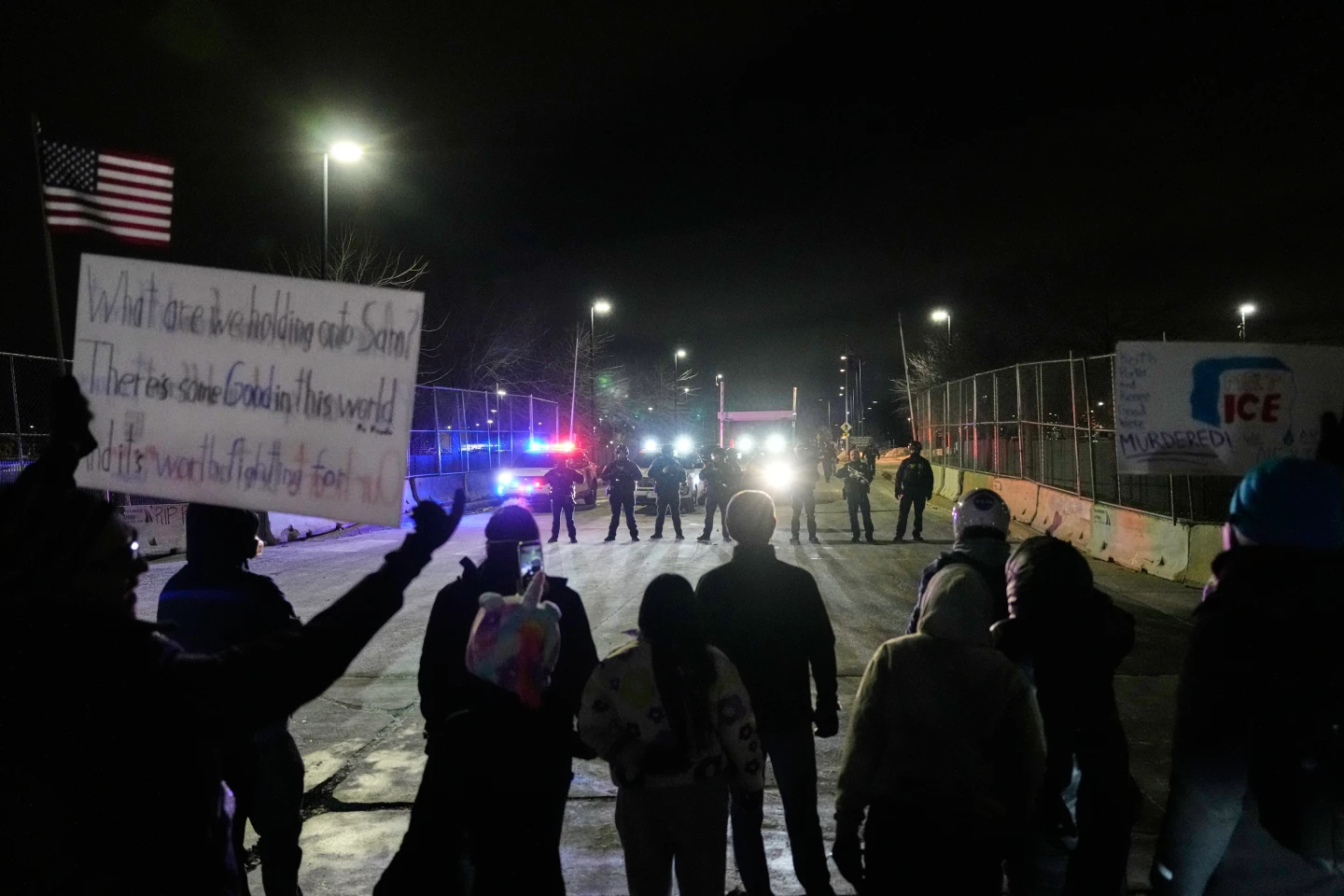
Brasel’s decision followed a temporary restraining order she issued stating that the federal agency had failed to plan for how to protect the constitutional rights of people detained during the Trump administration’s immigration crackdown known as Operation Metro Surge.
The judge's ruling mandates that every noncitizen held at the Bishop Henry Whipple Federal Building must be given the opportunity to contact an attorney within one hour of their detention. Furthermore, she maintained that detained individuals must not be transferred out of state for the first 72 hours of their detention to ensure they have time to reach attorneys and that their lawyers can work to halt any transfers.
The Advocates for Human Rights filed the lawsuit in January, asserting that immigrants in detention have a fundamental right to access to counsel. They welcomed the decision, which will remain in effect pending further proceedings.
“The ability to speak freely and privately to an attorney is crucial to due process and essential to protecting people from unjust rulings, coercive detention, and life-threatening deportation,” stated Michele Garnett McKenzie, executive director of the public interest law firm.
During a recent hearing, attorneys for the plaintiffs argued that the government’s compliance with previous court orders had been inconsistent. The judge's directive is seen as a necessary measure to ensure the rights of vulnerable detainees during their legal proceedings.