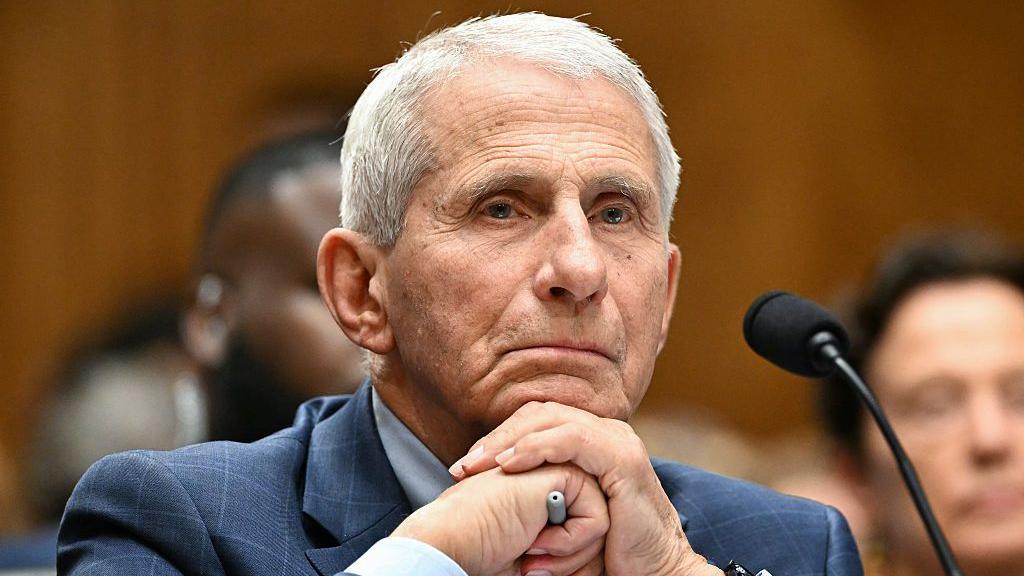
Anthony Fauci Nixes Senate Questions, Invokes Fifth Amendment Amid COVID Origins Probe
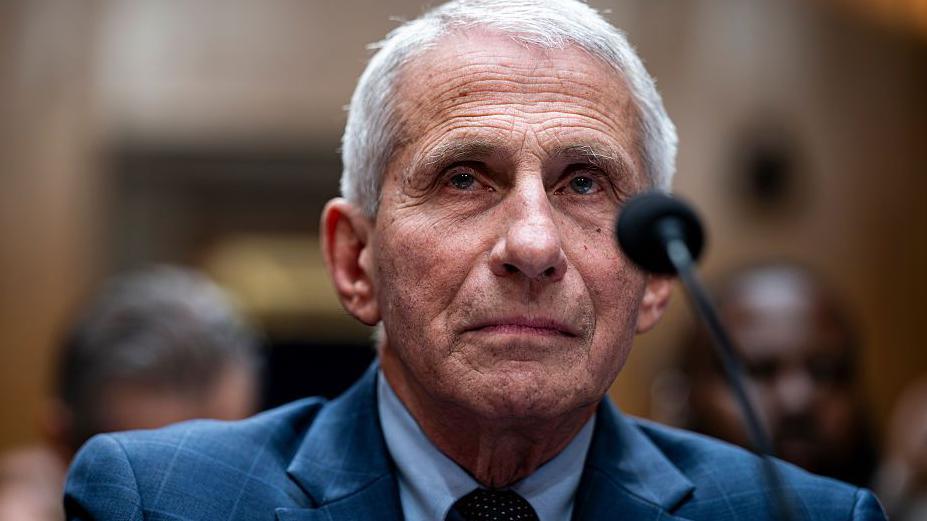
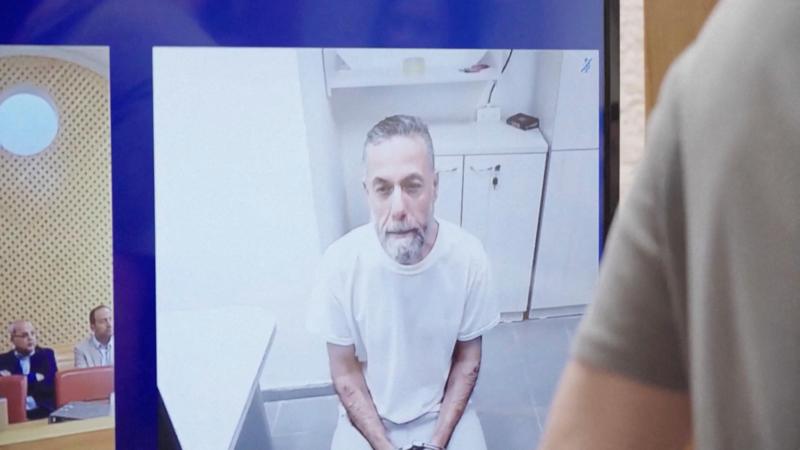
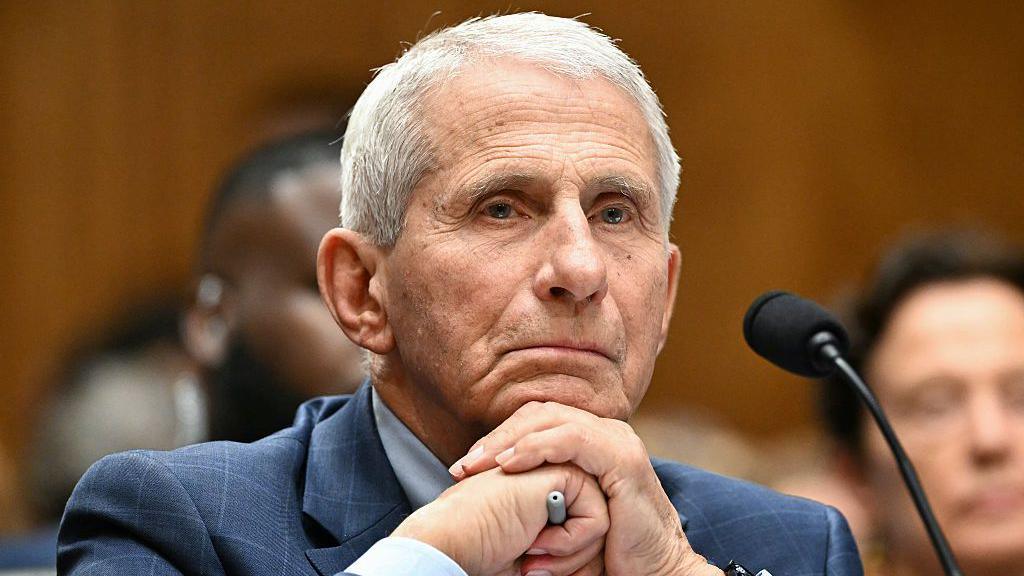
Former U.S. national public health figure Anthony Fauci chose not to answer a battery of questions from Republican senators during a hearing scheduled for July 29, 2026, citing fears that his statements could be used to support a criminal perjury case. He invoked the Fifth Amendment right of self‑incrimination, a constitutional protection that keeps witnesses from testifying against themselves in criminal proceedings.
The hearing was prompted by the release of more than 1,000 pages of Fauci’s internal notes, obtained by Senator Rand Paul. The documents, which span the first months of the pandemic, contain entries that Fauci later said were consistent with a “lab‑leak” possibility, though he has publicly endorsed a natural origin narrative in the years since.
In his brief statement, Fauci acknowledged having testified under oath in prior congressional sessions but claimed that Paul’s apparent motive was to force him into making statements that could justify a law‑enforcement campaign to “get him behind bars.” Fauci’s refusal escalated the hearing’s tension, prompting security to remove a lawyer who had sat nearby and who repeatedly attempted to interject during Paul’s questioning.
Senator Josh Hawley noted the anger at the committee, while several Democratic members—including Senator Maggie Hassan—argued that the session was designed to entrap Fauci and should be viewed with caution in the broader context of rising measles cases and other public health concerns under current Health Secretary Robert F. Kennedy Jr.
Both sides of the debate highlight the continuing controversy over the origins of the COVID‑19 pandemic. The World Health Organization lobbied for an inclusive scientific review, describing the natural‑origin hypothesis as best supported, yet called for more data before a definitive conclusion could be made. Fauci’s own diary entries show an initial openness to alternative theories, which he gradually leaned away from as the public narrative settled on natural spillover.
This development follows a broader pattern of political pressure on public health officials, including former presidential administrations’ conflicts with Fauci over mask mandates and treatment protocols. In 2024, President Biden offered a pre‑emptive pardon to Fauci, noting that the pardon should not be interpreted as an admission of wrongdoing.