In brief
At a highly charged Senate hearing, federal scientist Anthony Fauci declined to answer questions from Republican lawmakers, invoking his Fifth Amendment right. He warned that his testimony could be used to prosecute him for perjury, after accusations that he concealed pandemic data. The hearing was led by Senator Rand Paul, who has long promoted the Wuhan lab‑leak theory. Fauci has testified before Congress multiple times on COVID‑19, and his refusal has sparked anger among Republicans and support from some Democrats. The incident highlights tensions over public‑health transparency and political narratives surrounding the pandemic's origins.
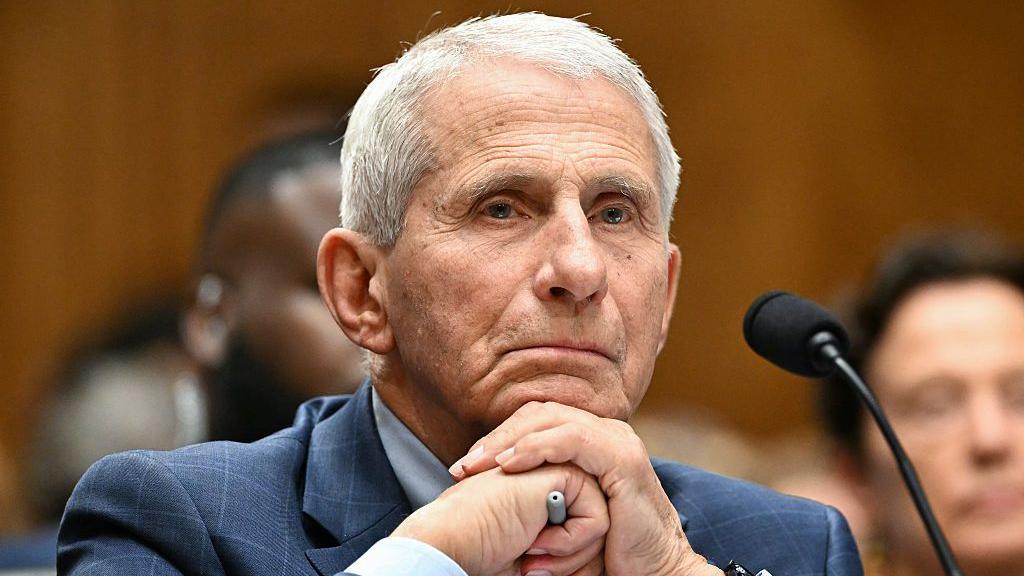
Anthony Fauci, 85, former director of the National Institute of Allergy and Infectious Diseases, declined to answer questions at a Senate hearing.
He invoked the Fifth Amendment, saying he feared Republican lawmakers would use his testimony to prosecute him for perjury. The right is meant to protect witnesses from self‑incrimination, not a confession of guilt.
Republican Senator Rand Paul, who chaired the hearing, has long pushed the Wuhan lab‑leak narrative and has accused Fauci of hiding pandemic information. Fauci has repeatedly stated that COVID‑19 likely originated naturally from a spillover event, though he remained open to the lab‑leak possibility early in the crisis.
The hearing followed a series of viral videos and diary entries released by Paul, showing Fauci’s early uncertainty about the virus’s origins. Paul’s refusal to answer has prompted calls for subpoenas and a potential contempt resolution.
Despite criticism, several Democrats defended Fauci, accusing the hearing of a political trap. The U.S. federal subpoena power and state investigations remain potential avenues for further scrutiny.
The dispute underscores continued divisions over pandemic management, with former President Donald Trump previously labeling Fauci as “crazy” and accusing him of protecting China, claims he has denied.
Fauci’s refusal to speak may influence future congressional inquiries into the coronavirus origins, while broader investigations into his conduct, including a congressional pre‑emptive pardon from President Biden, remain in play.