In brief
On 14 August 2018 the Morandi bridge in Genoa collapsed, killing 43 people, including Claudia Possetti, her husband and children. Eight years later the Possetti family and other survivors are awaiting a first‑instance verdict in the trial that has seen 57 defendants, from former company executives to engineers, stand accused of failing to maintain the bridge. Prosecutors point to delayed maintenance and ignored warning signs, while defence lawyers argue a hidden design flaw caused the failure. After a lengthy investigation, Autostrade per l'Italia issued an apology and a settlement of around €30m, and a new bridge designed by Renzo Piano opened in August 2020. The families hope the verdict will finally provide them with justice and closure.
By Davide Ghiglione — Rome
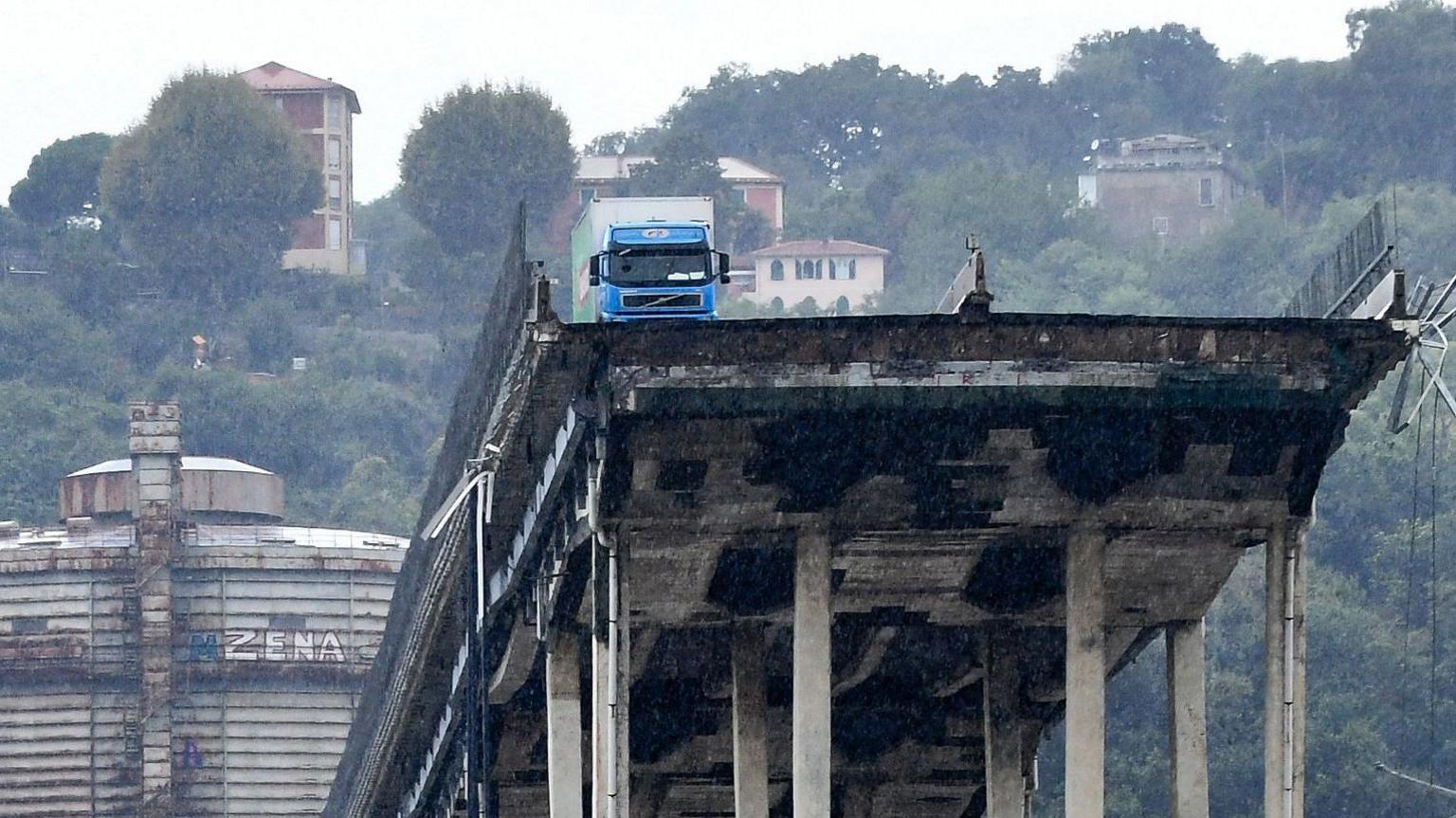
On the morning of 14 August 2018, Claudia Possetti, 47, was driving with her newlywed husband Andrea and their two children to the Italian Riviera when the Morandi viaduct in Genoa collapsed beneath them. The bridge, a key link between Genoa and the French border, gave way during a summer storm, sending cars and lorries into the railway tracks below. The family’s vehicle plunged off the viaduct, and all four members were killed. In total, 43 people lost their lives in the disaster, which remains one of Italy’s most catastrophic infrastructure failures.
Now eight years later, relatives of the victims, including Claudia’s sister Egle Possetti and the survivor of the crash, are gathering in a Genoa courtroom on Thursday to hear a first‑instance verdict in the trial that has already seen 57 defendants brought to justice. Egle, who has represented the victims’ families committee, said she hopes that finally pinning responsibility will offer a sense of closure beyond the years of uncertainty and repeated hearings.
Prosecutors argue that the bridge failed because maintenance was repeatedly delayed and warning signs ignored, even as profits for the toll road operator continued to rise. The trial has accused former executives of Autostrade per l’Italia and its parent Atlantia, engineers from the maintenance firm Spea, and former transport ministry officials of manslaughter, document falsification and other offences. Fifty‑seven people have stood before the court since July 2022, and the case has already accumulated 284 hearings.
Defence lawyers counter that the collapse stemmed from a hidden design flaw in a cable encased in concrete and that this flaw could not have been detected with any routine maintenance regime. They claim that the structural failure was beyond the control of those charged, and list that some lesser charges, such as document forgery, have already fallen under Italy’s statute of limitations.
In an unprecedented move, Autostrade per l’Italia issued its first apology the day before the verdict. Chief executive Arrigo Giana published an open letter in two Italian newspapers, acknowledging that the company had failed to apologise when the disaster occurred and that it was “a further, incomprehensible wound” for the community already traumatised. The company states that it now operates under new ownership and that making amends is a moral duty, even if it cannot undo the families’ anguish. Spea and another company reached a settlement to pay about €30m in damages, effectively ending their criminal liability.
Construction of the old viaduct’s remains began with two explosions in early 2019, and a new bridge designed by Genoa‑born architect Renzo Piano opened 18 months later, in August 2020. The new structure, known as the Genoa San Giorgio Bridge, features sail‑like white pillars that echo the city’s maritime heritage.
Following the verdict, the victims’ families committee will hold a press conference in Genoa to address the community. The families expect the court decision to finally hold accountable those responsible and bring the long‑awaited justice to a painful chapter in Italy’s history.