In brief
In a shocking archaeological development, a recent study has unveiled that remains unearthed from a mass grave in southwest England dating back to the Bronze Age bear marks suggesting that victims were subjected to rituals including cannibalism, marking a significant finding in British prehistory.
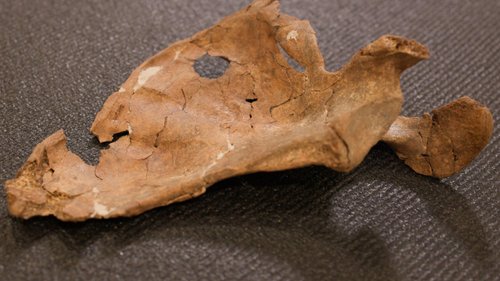
The remains found in a 50-foot ditch at Charterhouse Warren Farm present a chilling tableau of brutality with bones showcasing signs of severe trauma, including fractured femurs and skulls, alongside slicing cuts indicative of butchering. Initially discovered by cavers in 1970, the assemblage of skeletons had long been overlooked due to inadequate excavation and recording practices. However, researchers led by archaeologist Rick Schulting from Oxford University recently revisited the site, now suggesting that these bones belong to at least 37 victims — men, women, and children — who were likely massacred and subsequently consumed as part of a ritualistic feast, a discovery unprecedented in this historical context.“This study has truly taken us by surprise,” stated Schulting, noting the implications this has on our understanding of social practices during the Bronze Age in Britain. The remains, believed to date back to between 2210 and 2010 B.C., now highlight an aspect of ancient life that intertwines violence with ritual and possibly community cohesion, raising new questions about the social structures of the time. This finding not only revives interest in the Charterhouse Warren site but also challenges our perceptions of human behavior in prehistoric communities, illustrating that such gruesome practices may have held significant cultural meaning in a distant era. As archaeologists and historians delve deeper into these fascinating and unsettling narratives, they reconstruct history in ways that provoke both curiosity and contemplation about humanity’s past.