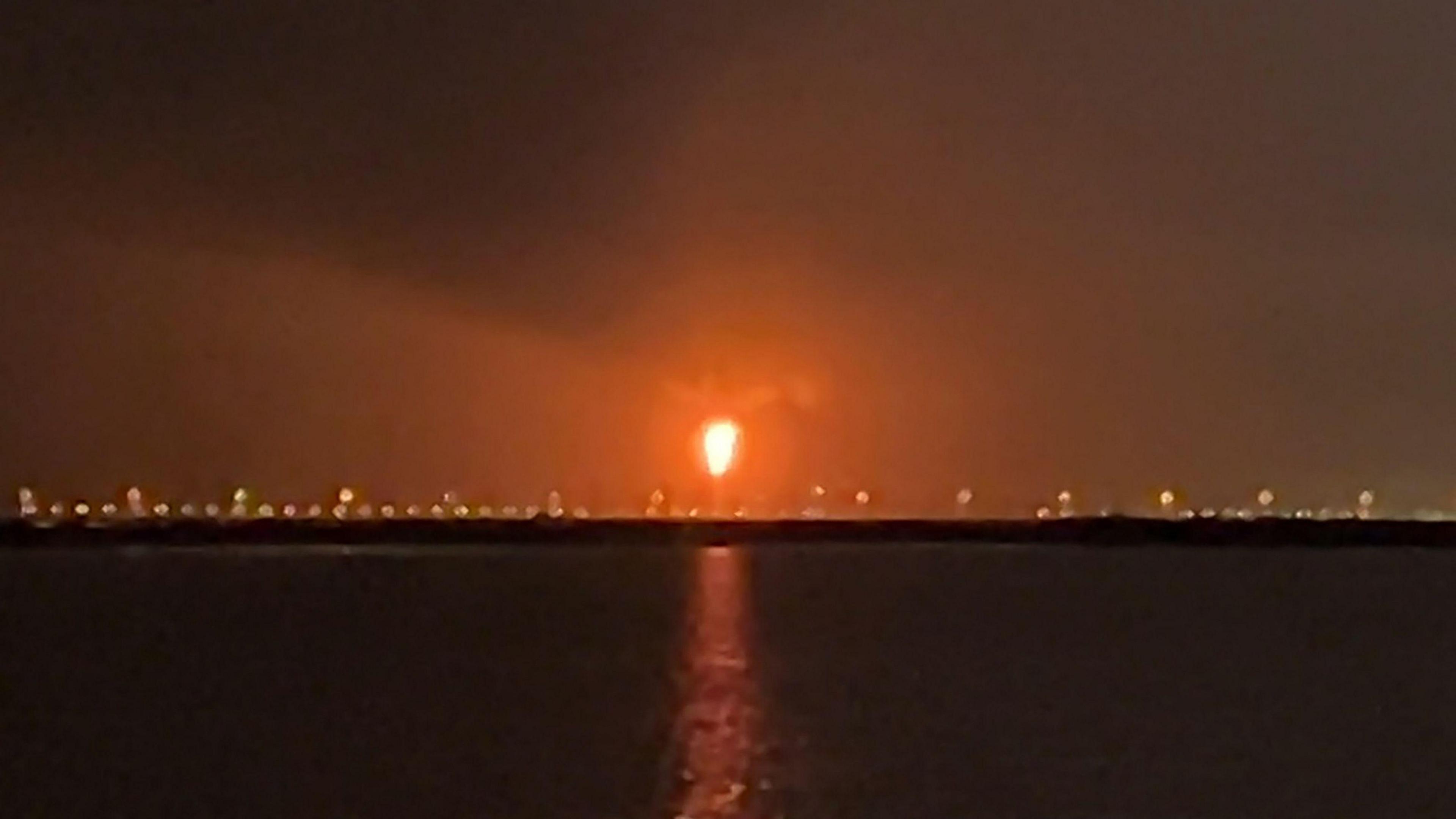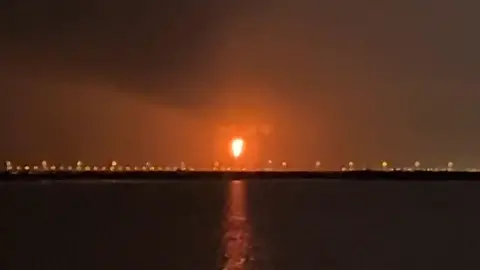
The knock-on effects of the conflict in the Middle East are awakening ghosts of crises past that shook the European Union. Seven months into Russia's full-scale invasion of Ukraine, launched in February 2022, the President of the European Commission accused Russia of manipulating the EU's energy market. They prefer to flare the gas than to deliver it, proclaimed Ursula von der Leyen, as spiralling energy prices hit consumers across the continent. She emphasized, This market is not functioning anymore, calling it a war on Europe’s energy, economy, and future.
Fast forward four years, and deep energy-linked frustration resurfaces, with a European diplomat lamenting, We swore we'd learn. We promised things would change, but here we are, referring to Europe's current energy shock caused by growing tensions in the Middle East. As European leaders scramble to address soaring energy costs during a summit in Brussels, the focus is once again diverted from long-term planning to immediate solutions amid fears of public discontent.
The past year's energy crisis fueled by the Covid-19 pandemic has led many countries, including Italy and the UK, to provide aid to struggling consumers and businesses. Now, diversified energy policies pressed by the EU face scrutiny as the reliance on Norway and the US continues to dominate discussions. Europe's energy market struggles with price volatility and new geopolitical disruptions, particularly in the oil-rich regions of the Middle East.
While shifting from reliance on Russian energy to other suppliers, EU policymakers now confront rising costs impacting competitiveness. The recent conflict has exacerbated these issues, showcasing America's paramount influence as a significant supplier of liquefied natural gas (LNG). Energy imports have surged, yet Europe’s dependency on external energy sources raises questions about long-term sustainability.
As leaders contemplate regulations like tax reviews and price caps to alleviate economic stress, tensions exemplified by debates over the EU's Emissions Trading System reflect conflicting approaches to energy policy. The intricate balance between energy independence, environmental goals, and political unity challenges Europe’s resolve as it seeks a cohesive response to ongoing energy crises.
Amidst urgency, EU leadership must navigate the thin line between revitalizing energy strategies and addressing current crises resulting from political instability, learning from the past to forge a resilient energy future.