In brief
In the early hours of Monday, a heavy rain‑driven landslide struck the hillside of the Tsadqane Debre Mitmaq St. Mary Monastery, killing 14 of the 14 attendees who were gathered for a holy‑water ritual. Rescue teams halted operation after discovering many buried in the debris, while seven injured survivors awaited medical aid. The incident follows a pattern of deadly weather‑related events in Ethiopia’s Amhara region, with recent floods in Gamo and Geze Gofa zones adding to the country’s vulnerability during the rainy season. Climate experts warn that increasing extreme rainfall and prolonged dry spells make such disasters more frequent and severe. Archbishops and local officials are leading funeral prayers and rehabilitating the site amid eroded roads and urgent relief needs.
On 4 August 2026, heavy overnight rain triggered a
- foreseeable slope failure
- massive debris collapse
- severed a prayer chamber carved into the mountain at Tsadqane Debre Mitmaq St. Mary Monastery.
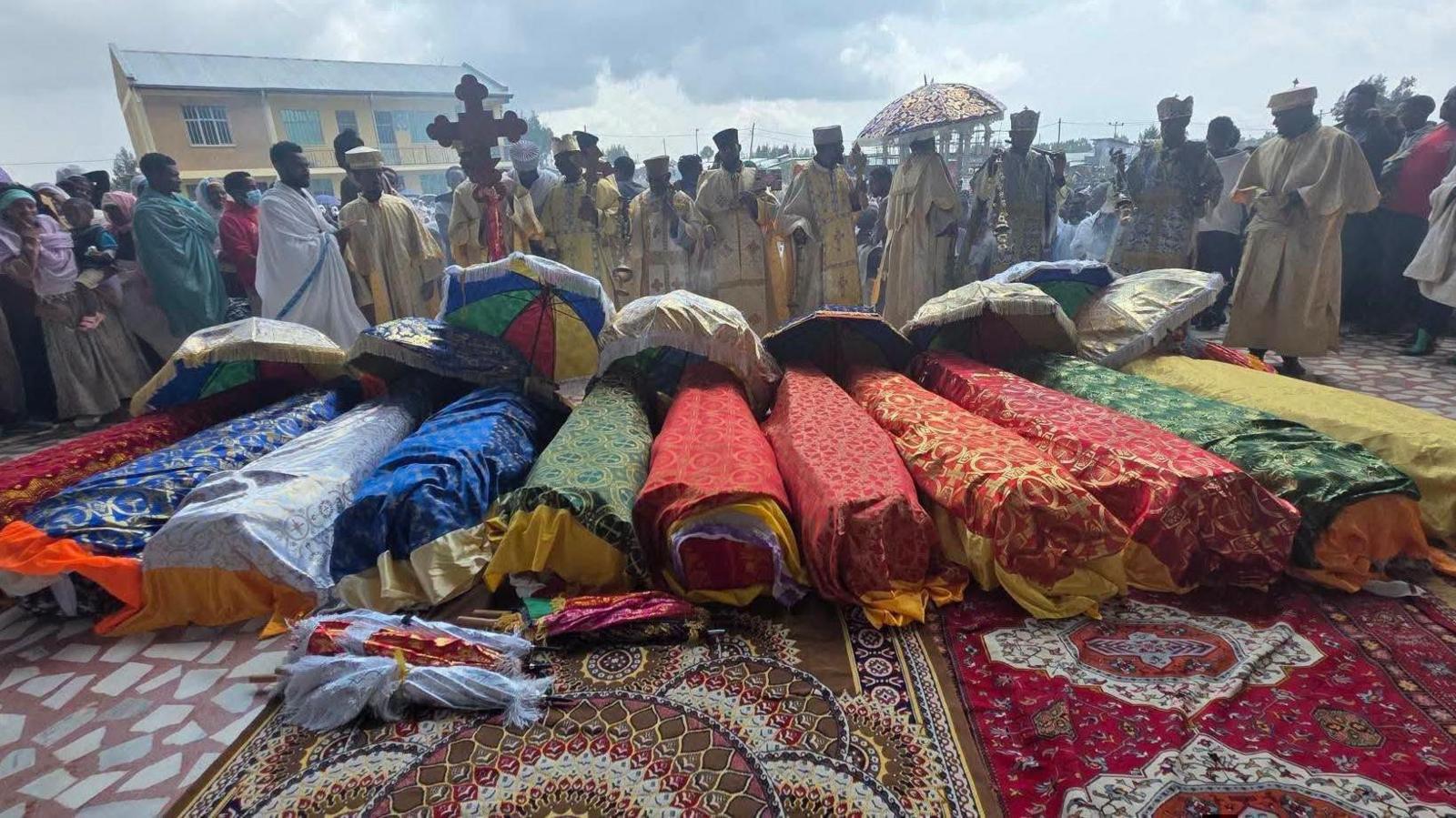
Emergency teams, including local police, healthcare workers, and nearby residents, initially searched for survivors. After confirming the bodies in the debris, rescue operations were paused to secure the site and arrange burials. Eleven of the victims were interred on monastery grounds; the remaining bodies were returned to their hometowns for credal rites by the regional Orthodox clergy.
Dagnachew Azbite, a senior local official, cited the prolonged night of heavy rain as the trigger for the landslide. He added that the area habitually experiences significant soil instability during the main rainy season (June‑August). Recent incidents—over 100 deaths in Gamo Zone floods in March 2024 and more than 229 fatalities in a Geze Gofa landslide in July 2024—underscore the growing risk.
Scientists note that East Africa’s weather patterns are shifting, with increasingly intense rains and prolonged dry periods exacerbating slope conditions. Climate change experts caution that this trend heightens the potential for more frequent and more severe earth‑movement disasters.
The head of the North Shewa Diocese, Archbishop Abune Klementos, visited the ruined site, offering prayers for the fallen and solace to grieving families.
For further context, see the March floods in Gamo Zone and the July Geze Gofa landslide, among the most devastating weather‑related tragedies in recent Ethiopian history.