In brief
On a quiet Saturday morning, Israeli jets struck the outskirts of Ansar and later the town of Deir al-Zahrani, killing a total of eleven civilians, including three children and two women. Lebanese authorities alleged that the strike on Ansar was directed at a Hezbollah commander, while the family present suffered harm. Israeli officials claim the target was a lawful militant and that the family were human shields, a claim disputed by Hezbollah and Lebanese officials. These attacks come after a ceasefire framework signed in June has seen sporadic violence, and negotiations are expected to resume in September.
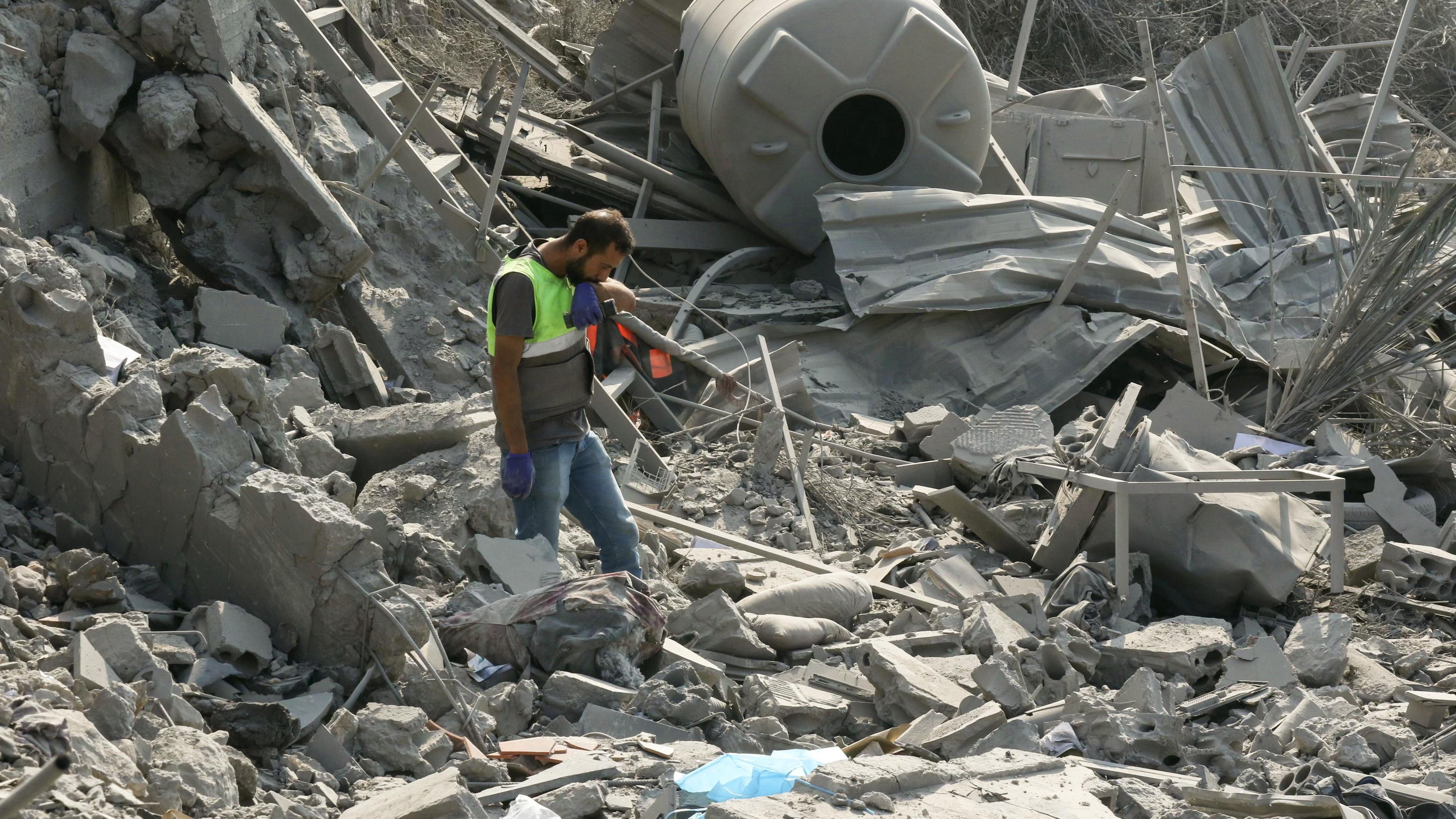
Eleven people have been killed in Israeli strikes on southern Lebanon, authorities say, in one of the deadliest days of attacks since an agreement aimed at reducing hostilities was announced in June.
Leslie Dobos, a Lebanese army liaison officer, said the strike hit a modest house on the outskirts of Ansar, 70km (43 miles) south of Beirut. State media confirmed that three children and two women were among those killed in that explosion.
Israel’s Defence Forces (IDF) reported that the attack was aimed at a senior Hezbollah commander following a prior assault on Israeli soldiers. The commander was named as Ali Samir al‑Haj Hassan, a battalion leader in the Radwan Force unit. The family who were present were accused of being used as “human shields.”
After the first raid, a second wave of strikes targeted the town of Deir al‑Zahrani, killing four civilians and injuring five others, the Lebanese Ministry of Health reported.
The Israeli statement accompanying the attack insisted that the commander was a lawful target under international law, not the civilians who were reportedly “hidden alongside him inside the military HQ.” Hezbollah immediately rejected the claim, accusing Israel of using civilian casualties as propaganda.
The violence follows the 2 March conflict escalation when Hezbollah fired rockets into Israel in retaliation for a strike that killed Iran’s supreme leader, prompting Israel to launch a large‑scale bombing campaign across Lebanon and occupy roughly five percent of Lebanese territory. The ceasefire framework signed in June called for full Hezbollah disarmament, Israeli withdrawal, and the redeployment of the Lebanese army.
Despite a reduction in hostilities after the ceasefire, aerial bombardments and demolitions continue to pepper southern Lebanon. Negotiations are set for a new round in September, though no finalized date has been announced.