In brief
The European Union has announced a major shift in its climate strategy, proposing to reduce the pace at which businesses must cut greenhouse gas emissions. Under the new plan, the emissions trading system (ETS) will allow some firms to receive allowance permits until 2038 instead of 2034, provided they invest in decarbonisation. While the proposal aims to make the ETS more business‑friendly, it has sparked mixed reactions—from Poland, which vows to push for further loosening, to German politicians who warn it could worsen climate outcomes. The legislation still requires approval from member states, a process that could take up to a year.
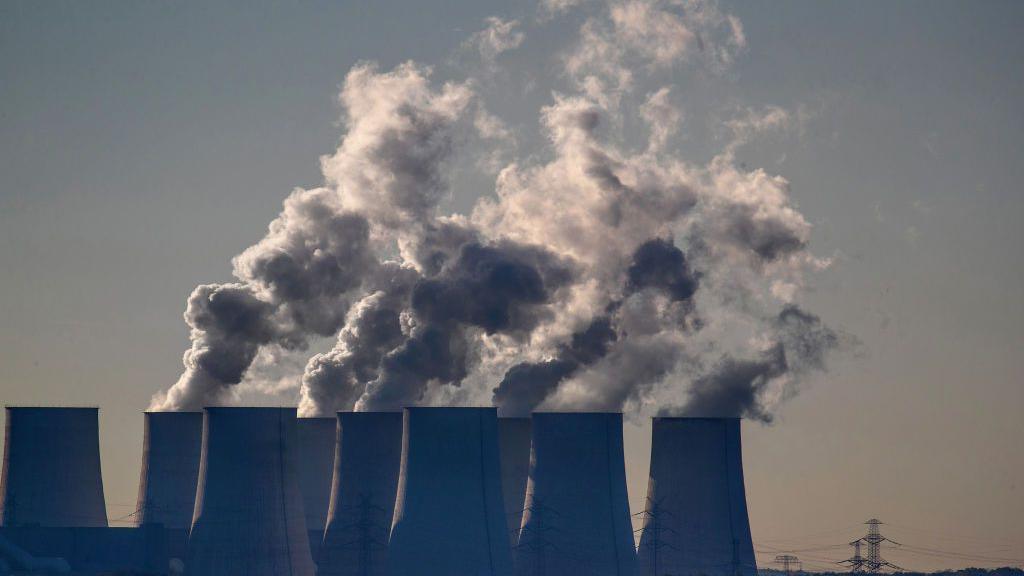
The European Union today unveiled a proposal that could significantly delay the reduction of greenhouse‑gas emission limits for its industries. The reforms aim to extend the period during which businesses can acquire allowances under the EU’s Emissions Trading System (ETS) until 2038, instead of the previously slated 2034 deadline, and only as long as they commit to decarbonisation projects.
Commissioners say the move will make the ETS more business‑friendly while still keeping pace with the bloc’s ambitious goal of cutting emissions by 90% from 1990 levels by 2040. Chief among the changes is a slowing of the annual cap reduction – from the current 4.3% to 3.7% from 2031, then to 1.7% from 2036.
The proposal also keeps free allowances for producers, extending them until 2038 instead of the earlier 2034 cut, and promises to give 80% of the permits upfront to firms that earmark investment in decarbonisation, with the remaining 20% awarded upon execution.
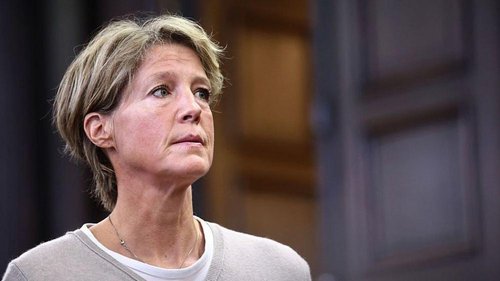
Reactions across Europe have been mixed. Polish climate minister Paulina Hennig‑Kloska welcomed the “softening” and vowed to push for further concessions, while German MEP Michael Bloss warned that the plan could result in “gigantic climate pollution” and degrade future generations’ living standards.
The Bundestag, a group of member states, will need to approve the changes, a process that could take up to a year before the ETS can be officially altered. Meanwhile, countries such as Hungary, Czech Republic and Germany reported breaking June temperature records, with all experiencing heatwaves above 40°C.
These developments come as Europe faces an accelerating climate crisis: recent global temperatures have risen more rapidly than any other continent, with European averages nearing 0.9°C above historical norms. The EU’s policy shift underscores the tension between stringent environmental targets and economic realities in the period leading up to 2040.