In brief
The targeted killing of Brian Thompson has become a stark reminder of the frustrations many Americans face regarding healthcare denials and exorbitant costs, igniting discussions about systemic issues within the insurance industry.
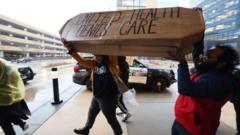
The brazen assassination of health insurance executive Brian Thompson outside a New York hotel has sent shockwaves across America, spotlighting the deep-seated frustrations with the U.S. healthcare system. The incident, which police are treating as a targeted attack, raises profound questions about the impact of chronic insurance denial practices within a trillion-dollar industry.In July, just prior to Thompson's death, over 100 protestors converged on the Minnesota offices of UnitedHealthcare, where they voiced their anger regarding the company's denial of claims. This protest, organized by the People's Action Institute, saw demonstrators from various states, including Maine and Texas, take to the streets. "Prior authorisation"—a policy allowing insurers to review suggested treatments—was emblematic of the perceived obstructions facing patients. As a result of the demonstration, eleven individuals were arrested.Advocates reported that many attendees were motivated by personal stories of healthcare denials, raising concerns about the overwhelming complexity of the existing system. Unai Montes-Irueste of the People's Action Institute lamented the arduous appeals process many individuals are forced into after having necessary treatments denied.Thompson, the CEO of UnitedHealthcare, was a central figure in a controversial industry. His life was tragically cut short by an assassin whose motivations remain unclear, although messages inscribed on bullet casings—words like "deny," "defend," and "depose"—suggest a connection to tactics employed by health insurers to boost their profits. On social media, reactions to Thompson's death were varied, ranging from expressions of sorrow from colleagues and industry leaders to a disturbing lack of sympathy from the public. Many recounted their struggles with fallen coverage and denied claims, reflecting a broader sentiment of resentment towards the insurance sector. Critics claimed that their personal experiences led them to feel no remorse over Thompson’s murder.Sara Collins, a senior scholar at The Commonwealth Fund, noted the specter of high costs that Americans face in healthcare. Often, they find themselves caught in a web of complex insurance jargon. “Navigating and understanding how to get covered can be challenging,” she stated, attesting to the fact that healthcare costs have become an insurmountable burden for many families.Christine Eibner of the RAND Corporation highlighted the troubling trend of increasing denials for treatment coverage, which often compound the financial strain on patients. Premiums for family coverage average $25,000 annually, yet out-of-pocket expenses can add thousands more, a burden ranging across all types of insurance.In light of the Thompson tragedy, advocates and citizens alike are calling for urgent reforms. The murder has become a grim symbol of the anger simmering within the U.S. healthcare system and highlights the desperate need for change as many grapple with what has been described as a medical debt crisis.As law enforcement continues to seek out the perpetrator of this shocking crime, the incident remains a striking reminder of the intertwined fates of insurance executives and the consumers they serve. The outrage directed not only at Thompson but at the healthcare system as a whole is an echo of the frustrations many Americans feel, fostering hope for meaningful reform amid growing animosity.