In brief
A recent incident involving a woman experiencing kidney problems due to a misaligned menstrual cup has prompted doctors to highlight the importance of proper usage and selection of menstrual cups to avoid potential health risks.
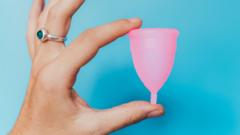
Menstrual cups, a reusable alternative to traditional sanitary products, are gaining popularity among women but pose potential health risks if not used correctly. Recent reports from Danish doctors, cited in the British Medical Journal, revealed a concerning case of a woman in her 30s who developed temporary kidney troubles stemming from a poorly positioned menstrual cup.The patient experienced intermittent pelvic pain and noticed blood in her urine for months, initially unaware that her symptoms were linked to the cup. Doctors explained that while such cases are indeed rare, a misaligned cup can exert pressure on nearby structures, including the ureters, which transport urine to the bladder. To mitigate risks, medical professionals emphasize the importance of selecting the right size and shape of menstrual cup and ensuring proper insertion. Menstrual cups, typically made of soft silicone or rubber, can hold between 20 to 30ml of blood and are designed for reuse. Users are advised to change their cups every four to eight hours, based on their flow.Data from a survey involving 530 young individuals revealed that many encounter difficulties when trying to remove the cup for the first time, with some needing assistance. Upon insertion, the cup creates a suction seal to prevent leakage, making careful removal imperative. Health experts, including physiotherapist Dr. Kate Lough, stress that users should not solely pull on the stem when removing the cup; instead, breaking the suction by squeezing the base is crucial.Although menstrual cups generally prove to be safe when properly used, discomfort can arise if they are not correctly positioned. Dr. Lough encourages women to explore various cup shapes, sizes, and firmness levels to find the most suitable fit. For those who have recently received a contraceptive coil, there is a minimal risk that it could be dislodged during cup usage. In such instances, manufacturers recommend seeking medical advice and employing additional contraception.Aside from menstrual cups, women may also consider menstrual discs, which are positioned higher in the vaginal canal, directly below the cervix. Regardless of the product chosen, informed usage is imperative to ensure menstrual health and safety.