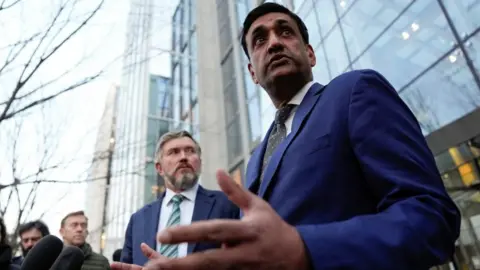
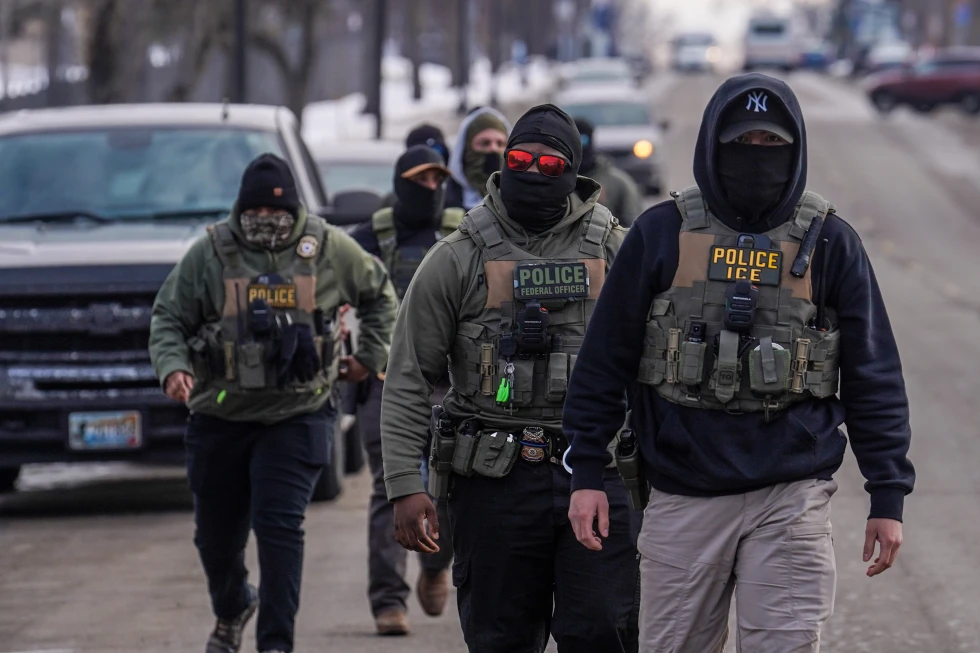
WASHINGTON (AP) — The heads of the agencies carrying out President Donald Trump’s mass deportation agenda will testify in Congress Tuesday and face questions over how they are prosecuting immigration enforcement inside American cities.
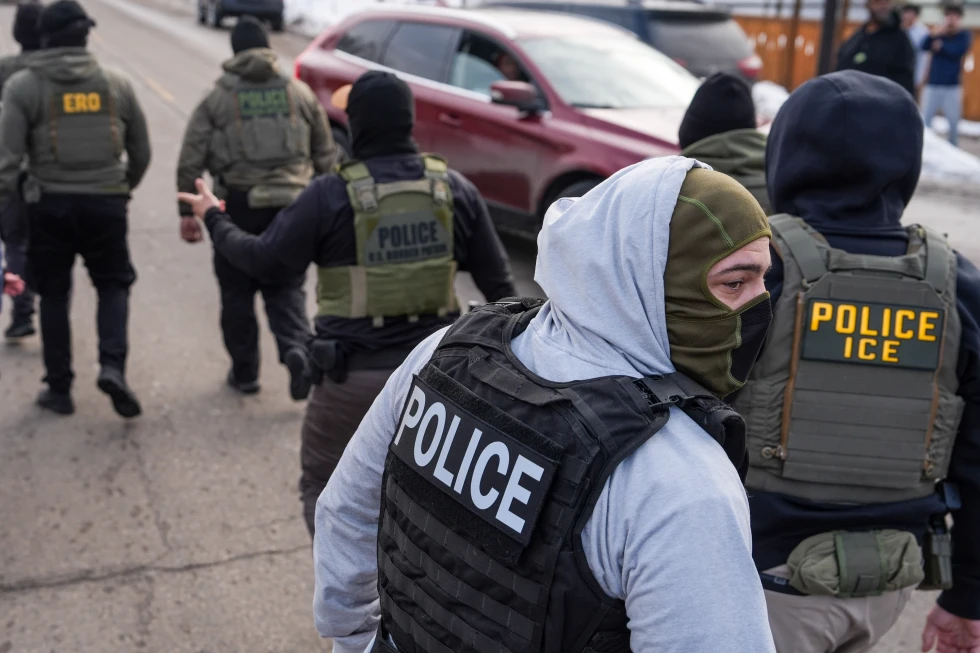
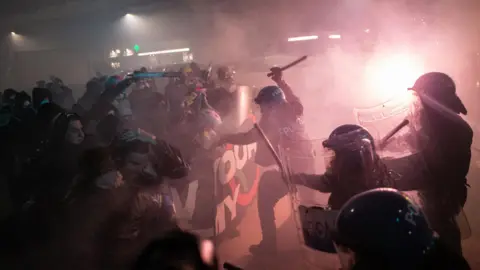
Trump’s immigration campaign has come under heavy scrutiny in recent weeks, particularly after the shooting deaths of two protesters in Minneapolis by Homeland Security officers. Critics highlight the potential trampling of rights among both immigrants facing arrest and citizens protesting against these enforcement actions.
Todd Lyons, acting director of U.S. Immigration and Customs Enforcement, Rodney Scott, chief of U.S. Customs and Border Protection, and Joseph Edlow, director of U.S. Citizenship and Immigration Services, will present their strategies and answer inquiries before the House Committee on Homeland Security.
The officials’ appearance comes amidst dwindling public support for their agencies' actions, despite being bolstered by a recent spending bill that has extended their enforcement reach across the nation.
The administration argues that activists and protestors heighten risks to their officers rather than the other way around, contending that their immigration enforcement is vital for public safety by targeting individuals with criminal records.
Lyons is expected to be questioned about a memo permitting ICE officers to enter homes without a judge’s warrant, deviating from established practices and Fourth Amendment protections.
Under Scott's command, CBP's role has escalated significantly, focusing on eradicating undocumented immigration from within U.S. cities, diverging from traditional border control duties. This shift has ignited considerable controversy.
After the unfortunate events in Minneapolis, which resulted in the deaths of two protesters during a contentious enforcement operation, there’s heightened scrutiny on the tactics used by these agencies and their accountability structures.
USCIS is facing criticism for subjecting refugees to additional vetting processes and halting asylum case decisions, drawing concerns over the impact of these policies on vulnerable populations.