In brief
According to the latest Gallup polling, American optimism about the future has plummeted to a new low, with only 59% of respondents feeling positive about their lives in five years. This figure represents the lowest level of optimism recorded since Gallup began this annual survey. The results indicate a significant drop in both current satisfaction and future expectations, especially among Democrats, Hispanic Americans, and other demographic groups facing economic pressures. As societal and political changes evolve, fewer Americans classify themselves as 'thriving' in terms of happiness and optimism.
WASHINGTON (AP) — A recent Gallup poll has highlighted a worrying trend among Americans: a considerable decline in optimism regarding their future. In the latest measure, only about 59% expressed positive expectations for their lives five years from now, the lowest since the poll's inception nearly two decades ago.
This decline ties into a broader sense of gloom that has settled over the nation in recent years. Historically, Gallup has observed a correlation between current satisfaction and future outlook; as current satisfaction wanes, future optimism tends to follow suit. However, the current dip in future expectations is notably sharper than recent declines in present satisfaction.
The Gallup poll categorizes individuals rating their future as an 8 or higher on a scale from 0 to 10 as optimistic. Presently, fewer than half of Americans, approximately 48%, qualify as 'thriving' under these criteria.
While current life satisfaction is diminishing, it’s our optimism for the future that has eroded almost twice as much over the last decade or so, stated Dan Witters, research director of the Gallup National Health and Well-Being Index.
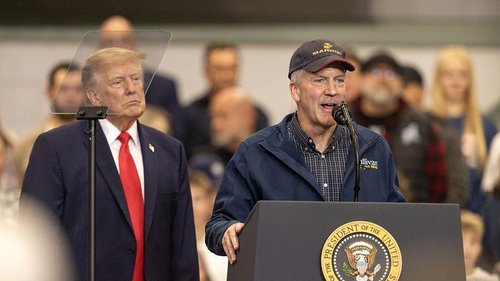
Political shifts also appear to play a role in this changing perspective. After President Joe Biden's election, Democrats reported increased optimism; however, following Donald Trump's return to the White House, that optimism dipped significantly from 65% to just 57%. Even though Republicans are showing signs of increased hopefulness, it has not been enough to counteract the decline among Democrats.
Hispanic Americans have reported a sharper decline in optimism, with their outlook diminishing from 69% to 63% over the past year. These shifts could be closely tied to economic uncertainty, healthcare concerns, and evolving immigration policies.
The findings from the Gallup National Health and Well-Being Index raise important questions about the overall wellbeing of Americans as they grapple with a rapidly changing socio-political landscape.