In brief
Rick and Jane Saint John live in Creighton, Nebraska, where its critical access hospital is essential for their child’s frequent medical needs. They, like many others, face a grim reality as financial struggles threaten rural hospitals nationwide. Despite a promised $50 billion fund aimed at transforming rural healthcare, experts warn it falls short of addressing immediate needs. As Medicaid cuts take effect, the future of these facilities—and the communities that depend on them—hangs in the balance.
CREIGHTON, Neb. — For Rick and Jane Saint John, their decision to reside in Creighton was primarily based on the town’s hospital, which has been vital for their nonverbal autistic child, who has epilepsy and needs frequent hospital visits. The local critical access hospital not only serves their child’s medical needs but also played a crucial role when Jane faced a life-threatening illness three years ago.
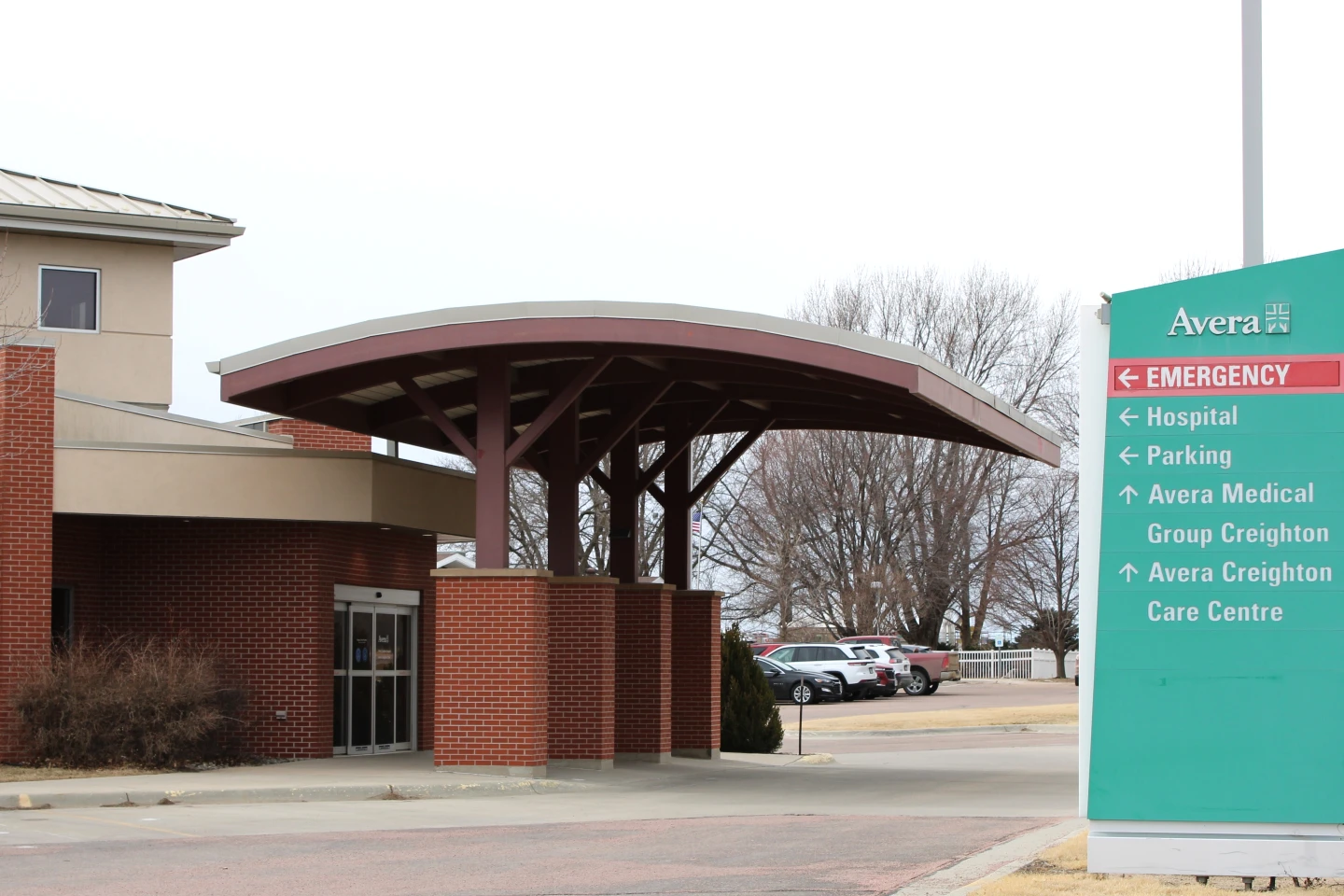
However, the Saint Johns were dismayed to learn that Avera Creighton Hospital is facing dire financial challenges. A hefty government fund supposedly aimed at enhancing rural healthcare is viewed with skepticism by many—especially those in rural communities who feel left behind.
Across the nation, an alarming number of rural hospitals are on the brink of closure due to a combination of financial strains and reduced funding from the government. Recent cuts to Medicaid, which many rural hospitals rely upon, have intensified the crisis.
Despite assurances of a $50 billion Rural Health Transformation Program from the Trump administration, critics argue that the funding is inadequate for existing hospitals struggling to stay operational. This fund is more concerned with promoting innovative healthcare solutions than ensuring the survival of rural hospitals.
It won’t pay to keep the lights on, and it won’t turn the lights back on once they’ve been turned off, said Dr. Ben Young from the Wellness Equity Alliance, highlighting the urgent need for sustained financial support.
While Republican lawmakers push for the fund to support innovative healthcare delivery, many argue that it fails to address the immediate needs of hospitals that require urgent operational support. For many rural communities, their local hospital is not just a healthcare provider; it is the backbone of their community, essential for both health and economic stability.
The future of healthcare in rural America remains uncertain as local leaders like Barry DeKay fight to secure necessary funding. As Rick Saint John emphasized, the local hospital is indispensable for both medical care and the economic health of the community.
With the landscape of rural healthcare shifting rapidly, these concerns echo far beyond Creighton, reflecting broader worries across the nation as many Americans await clearer solutions to their healthcare crises.