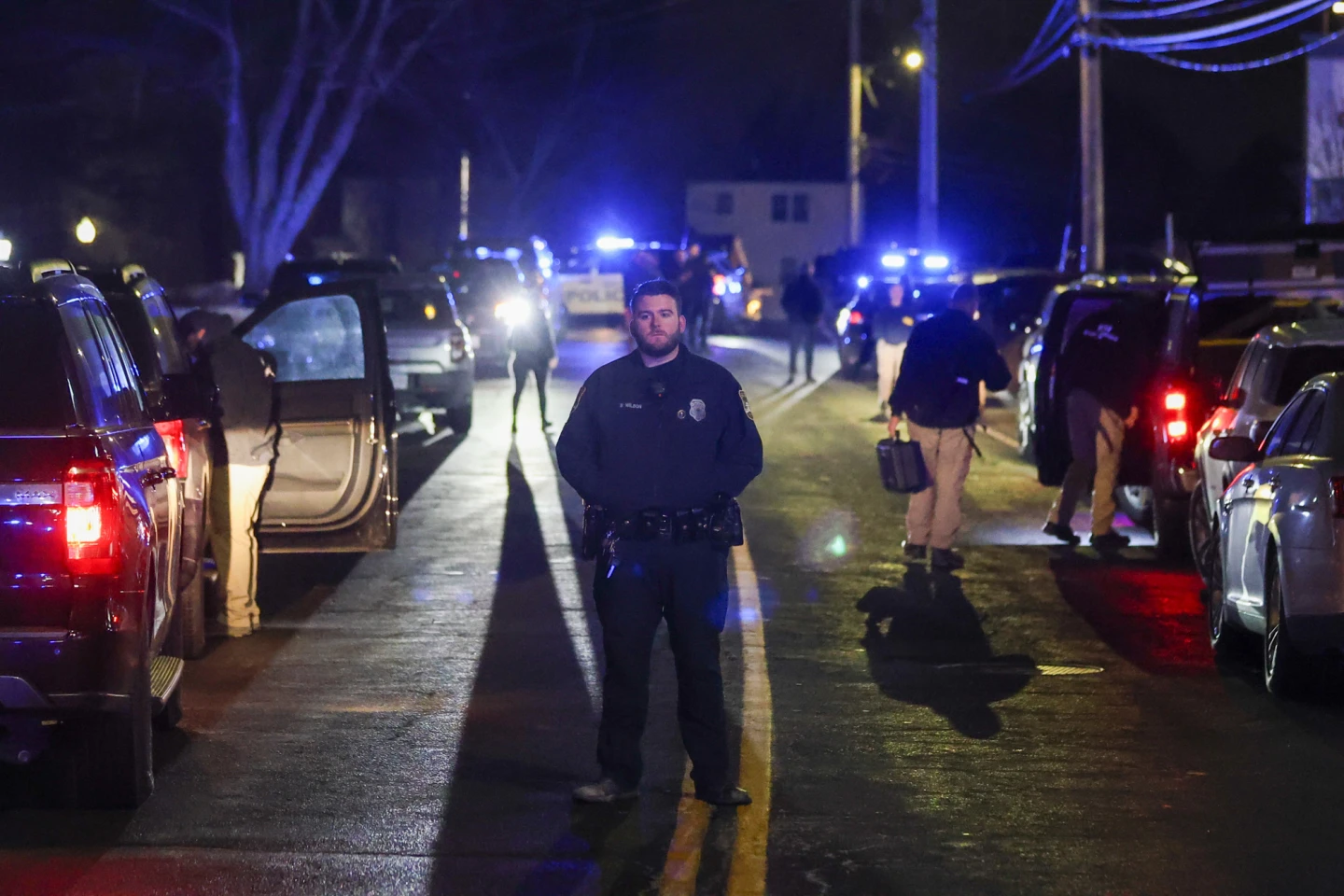
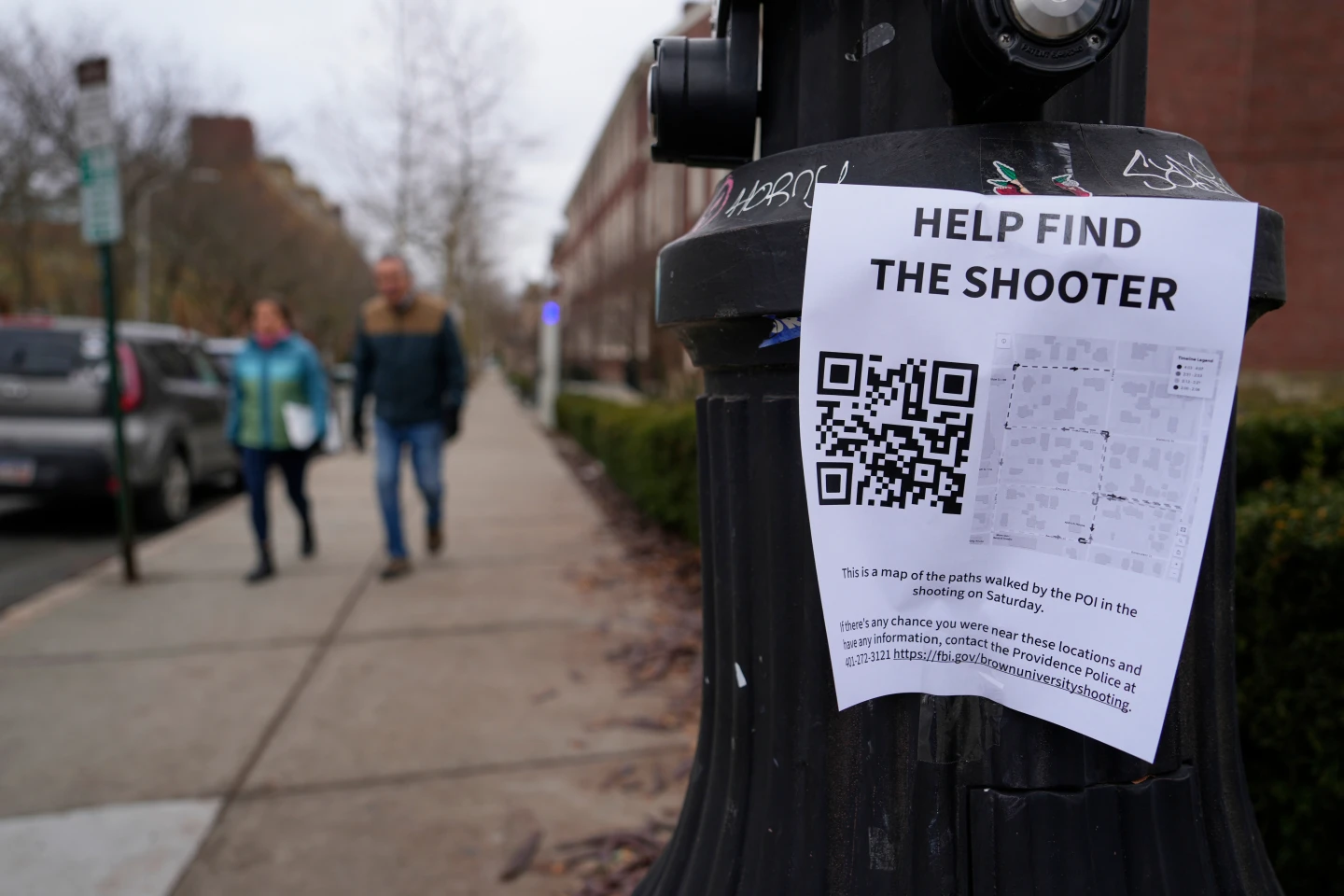
WASHINGTON (AP) — The ongoing scrutiny of the diversity immigrant visa program increased after the occurrence of shootings at Brown University and MIT, which involved a Portuguese suspect granted entry into the United States via this specific pathway. This visa category, meant to allocate 50,000 green cards yearly through a lottery system to individuals from countries with lower immigration rates, has recently come under fire.
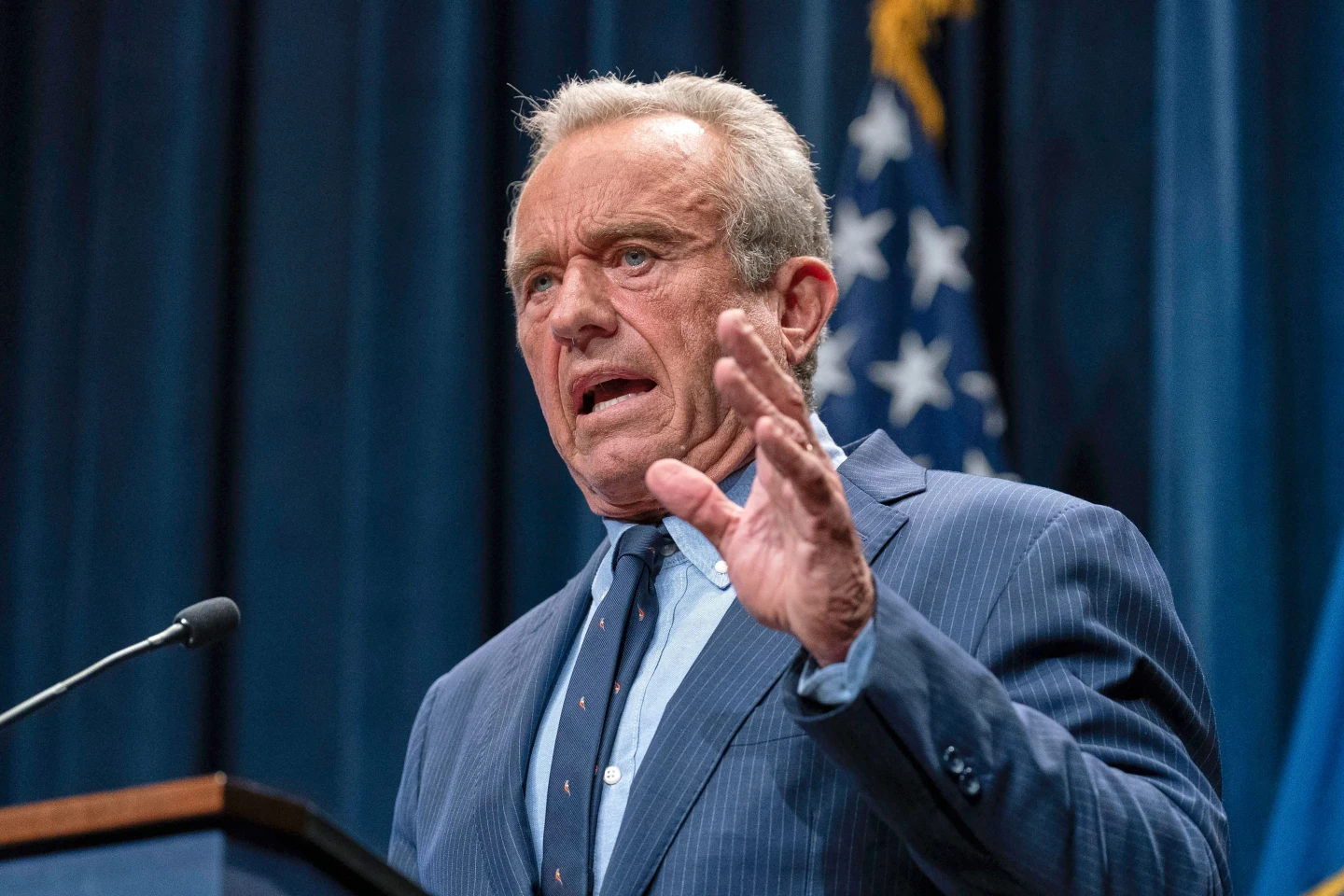
On Thursday evening, as the suspect's details emerged, Homeland Security Secretary Kristi Noem declared the suspension of the diversity visa program, claiming the alleged shooter should never have entered the country. This decision aligns with broader efforts by the Trump administration to tighten immigration regulations subsequent to violent acts, looking to ensure that immigration policies include more thorough vetting measures.
Critics of the suspension warn that this action represents a form of collective punishment for millions of legal immigrants who have passed stringent background checks. They argue that existing vetting processes provide significant security and that suspending the diversity visa program could unjustly punish those seeking refuge and opportunities in America.
The diversity visa program was initiated by Congress in 1990 to expand access to green cards for individuals from underrepresented countries, enabling diversity within the U.S. immigrant population. However, it has faced scrutiny amid rising concerns about national security and its effectiveness. The program is competitive; in the last application cycle, approximately 21 million individuals sought a chance to enter the lottery.
This situation isn't isolated, as previous instances of violence involving immigrants have led to similar restrictions in immigration policy. The ongoing discourse raises questions about the future of diversity-based immigration in America and the overall approach towards vetting foreign nationals trying to enter the U.S.
In conclusion, the tragic incidents in question incite a growing debate regarding the balance between ensuring national security and maintaining an open and diverse immigration policy that reflects America's values. As administrative policies evolve, advocates urge for careful consideration of their implications on innocent individuals seeking a better life.