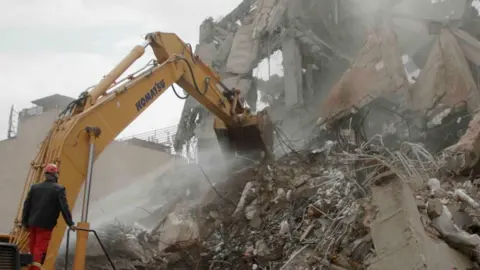
A mother stands by the rubble, crying out for her daughter. For days she has been waiting for rescue workers to dig through the flattened remains of what was once her daughter's flat in Resalat, a residential district in eastern Tehran. They don't have the manpower to get her out, the woman says. My daughter is under the rubble... she's afraid of the dark.
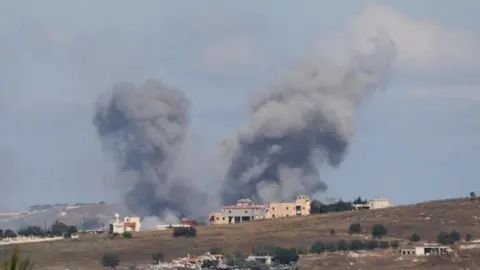
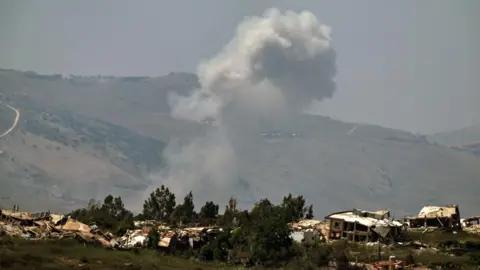
For a month, Iran has been at war with the United States and Israel, who have been carrying out strikes across the country at targets linked to the regime. But these attacks are also having a devastating impact on civilians living nearby.
Caught between bombardment from the skies and a repressive regime, residents are left vulnerable and terrified. BBC Eye has gathered exclusive footage from independent journalists inside Tehran, as the BBC is rarely allowed in and has not had access since the war began.
Since the start of the war, extensive civilian casualties have been reported. The UN has urged that armed forces avoid using powerful bombs in populated areas due to the dangerous repercussions for civilian lives. Humanitarian law experts are questioning the legality of the bombings, as they appear to violate international standards of proportionality and distinction in armed conflict.
Many residents express dissatisfaction with the Iranian government's response to the war, citing a lack of safety measures and warnings during attacks. There are no sirens, no warnings. You just hear the explosion, says a terrified local. It is clear that for those living through this conflict, the pressure is measured in homes lost, families shattered, and a haunting sense that nowhere is truly safe.
For a month, Iran has been at war with the United States and Israel, who have been carrying out strikes across the country at targets linked to the regime. But these attacks are also having a devastating impact on civilians living nearby.
Caught between bombardment from the skies and a repressive regime, residents are left vulnerable and terrified. BBC Eye has gathered exclusive footage from independent journalists inside Tehran, as the BBC is rarely allowed in and has not had access since the war began.
Since the start of the war, extensive civilian casualties have been reported. The UN has urged that armed forces avoid using powerful bombs in populated areas due to the dangerous repercussions for civilian lives. Humanitarian law experts are questioning the legality of the bombings, as they appear to violate international standards of proportionality and distinction in armed conflict.
Many residents express dissatisfaction with the Iranian government's response to the war, citing a lack of safety measures and warnings during attacks. There are no sirens, no warnings. You just hear the explosion, says a terrified local. It is clear that for those living through this conflict, the pressure is measured in homes lost, families shattered, and a haunting sense that nowhere is truly safe.