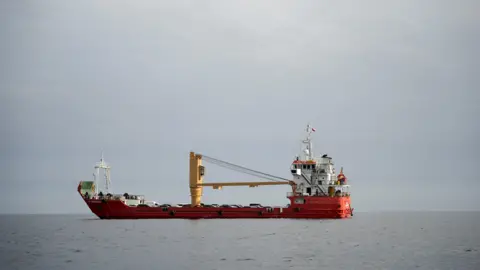
China has called the US naval blockade of Iranian ports 'irresponsible and dangerous'.
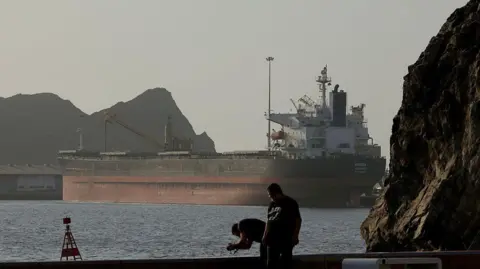
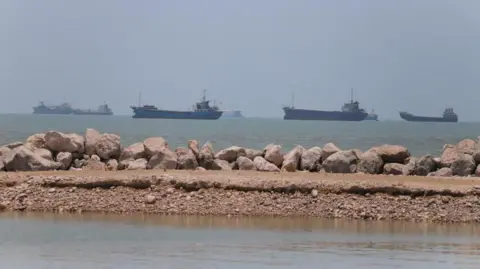
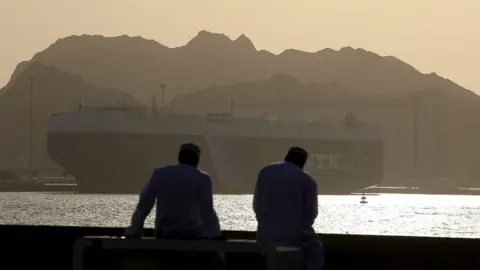
Beijing's foreign ministry stated that this action would undermine the already fragile ceasefire agreement and further jeopardize the safety of ships passing through the Strait of Hormuz, a crucial waterway that Iran has effectively closed in response to US-Israeli strikes.
The blockade initiated on Monday followed the breakdown of peace talks between the US and Iran in Pakistan.
US President Donald Trump claimed that the blockade aims to compel Iran to abandon its nuclear ambitions. Analysts suggest it also seeks to pressure China, the largest buyer of Iranian oil, to influence Tehran in reopening the strait.
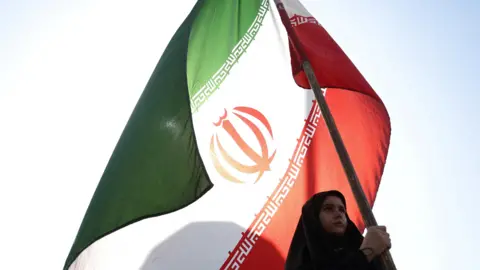
Iran's ambassador to the UN described the blockade as a 'grave violation' of Tehran's sovereignty, further escalating the geopolitical tensions in the region.
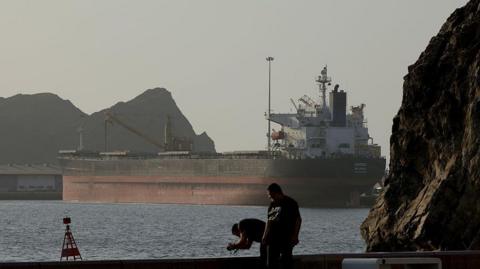
Despite the blockade, Chinese vessels have been reported making their way through the strait, although it remains unclear if they paid Iran for safe passage. This blockade could severely impact China's oil supply and have broader consequences for its economy.
Guo Jiakun, spokesperson of China's foreign ministry, stressed that dialogue and peace negotiations are essential to de-escalate tensions in the strait, urging all parties to uphold ceasefire arrangements and restore normal traffic as soon as possible.
In response to potential military assistance from China to Iran, Trump has warned of imposing significant tariffs on Chinese goods, a threat Guo indicated would prompt resolute countermeasures from China.
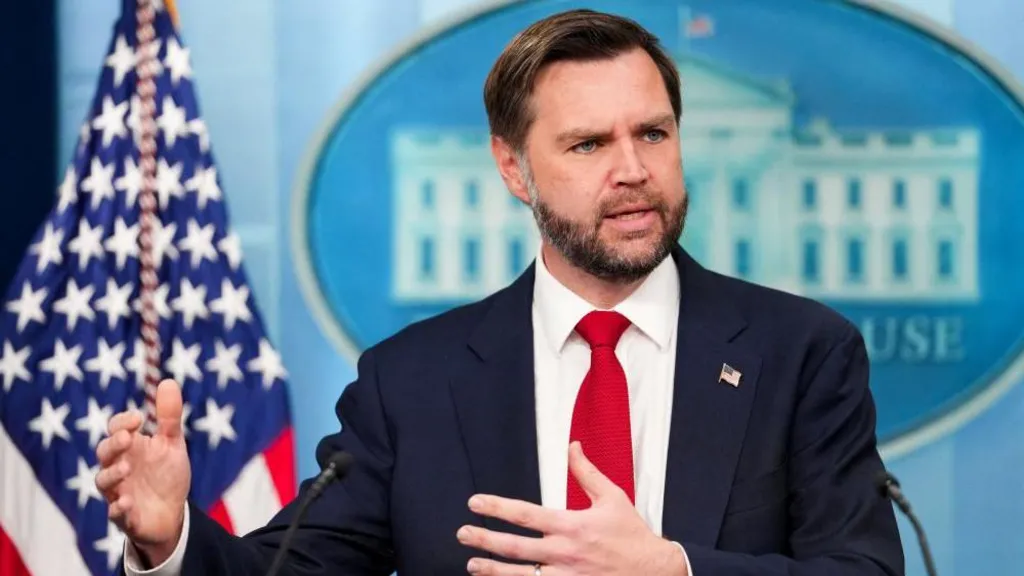
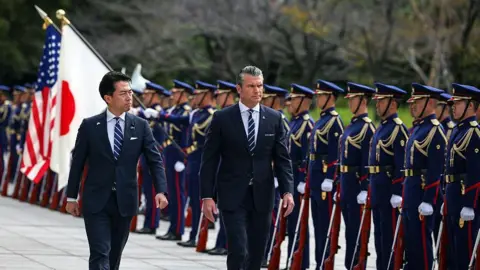
US Vice-President JD Vance has accused Iran of 'economic terrorism' due to its blockade of shipping through the strait, hinting that the US's military would not permit Iranian ships to pass freely either.
While the US aims to blockade Iran's Gulf ports through naval operations, recent analyses show that several Iran-linked ships have successfully crossed the strait, highlighting the complexities of enforcing such a blockade.