In brief
Since Donald Trump’s return to the White House, many Canadians have stopped visiting the United States. One family, the Truscotts from London, Ontario, cancelled a planned launch viewing in Texas and instead explored Nova Scotia and Prince Edward Island, enjoying fresh seafood and scenic drives. National travel data shows 800,000 fewer trips to the US, costing the country about C$3.3 billion in tourism revenue. In response, U.S. cities have launched discount campaigns, offering reduced fares and Broadway tickets. The boycott has pushed Canadians to seek vacations in other parts of the world, from Morocco’s Ramadan festivities to Spain’s Camino de Santiago, illustrating a growing cultural critique of U.S.–Canada relations that may only subside with diplomatic reconciliation.
Since Donald Trump’s return to the White House, Canadian families have increasingly turned away from U.S. borders, redirecting their vacations to more accessible and politically neutral destinations.
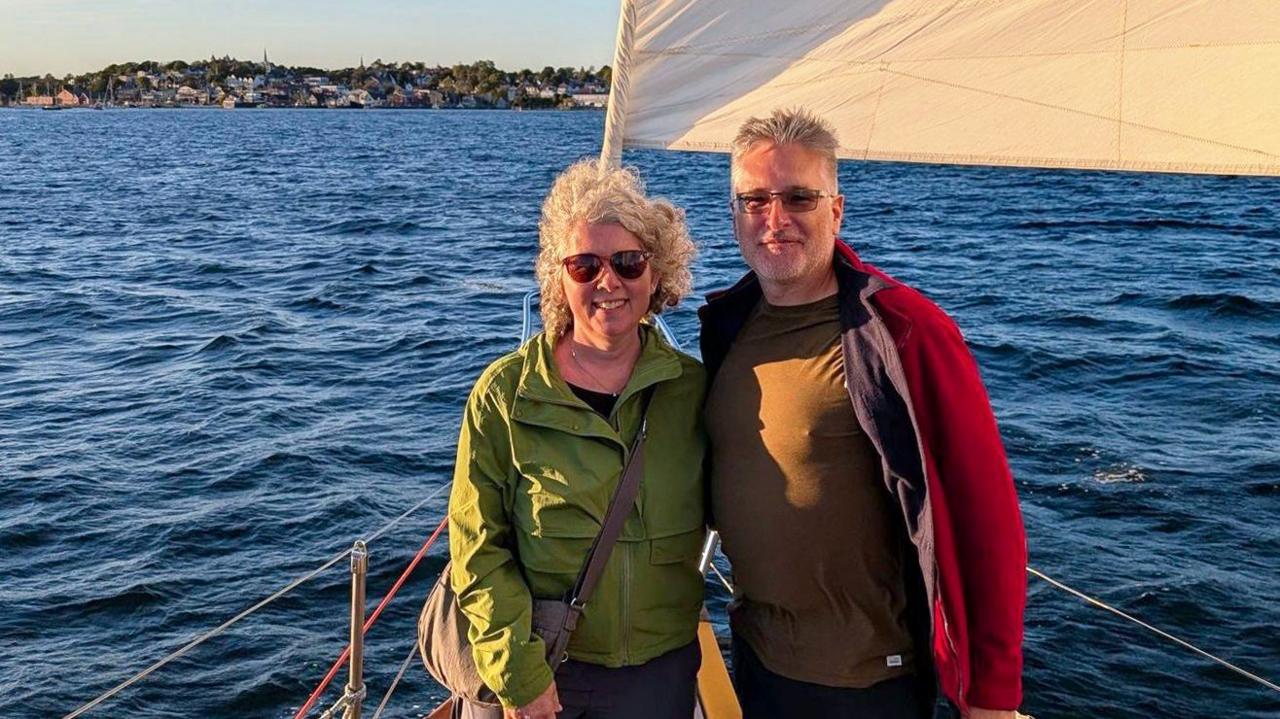
One striking example is Kent Truscott from London, Ontario, who cancelled a spring trip to Texas to witness a SpaceX Starship launch. Instead, he spent the money in Canada’s Atlantic provinces, touring Nova Scotia’s Cabot Trail and staying at a women‑only resort on the ocean.
National data reveal that Canadians made 800,000 fewer trips to the United States in April this year than the same month before Trump’s election, equating to a loss of about C$3.3 billion in tourism revenue.
In reaction, cities such as New York have offered discounted Broadway tickets and hotels, yet the pull of diplomatic tensions remains strong. Many Canadian travelers cite U.S. tariffs and Trump’s remarks that Canada is the “51st state” as key motives for the boycott.
Other stories underscore the shift: Lynda Rousseau cancelled a New York-based cruise and instead visited Rome and Barcelona, while Nick Smith avoided U.S. layovers, opting for a direct flight to Mexico City instead of a transfer in a U.S. city.
Christie Mitchell, a long‑time U.S. traveler from British Columbia, turned her planned Las Vegas trip into a 490‑mile hike along Spain’s Camino de Santiago, citing the boycott’s influence on her travel choices.
These narratives illustrate a broader trend: Canadians are not only redefining their vacation choices but also expressing a cautious stance toward the United States, contingent on a restoration of friendly relations and the removal of trade barriers.