In brief
Over a million visitors flocking to Calgary’s famed Stampede have now found themselves embroiled in a sovereignty debate: will Alberta leave Canada in October? Liberal MP Corey Hogan and Prime Minister Mark Carney are touring the fairground to rally pro‑unity support, while separatists like Thomas Lukaszuk bring the “Unity Bus” to warn of a disastrous split. First Nations leaders stress that treaties would be endangered by any move toward independence, while rural voices echo the frustration voiced by freedom‑convoy protestors. In a slim‑margin climate, the festive backdrop turns into a battleground, with municipal leaders like Premier Danielle Smith calling the referendum a chance to hear directly from Albertans. Polls suggest unity’s margin is comfortable, but anxiety about a possible “Brexit‑style” upset lingers, signalling a clash that will intensify beyond the finish line of the Stampede.
A roar of hooves at Calgary’s greatest outdoor show is now louder than ever, as every horse‑draught and saddle‑tween competitor is paraded beside a political question that could alter Canada’s map. In the heart of Alberta’s winter‑warmest festival, the province is preparing for an October vote that will decide whether it remains part of Canada or pursues a binding referendum to bind itself as an independent state.
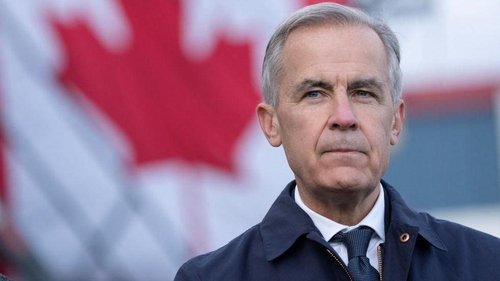
Liberal MP Corey Hogan, who invited countless colleagues from across the country, has delivered a speech at the Stampede breakfast that forces every cowboy hat and pudding flip to bear the weight of national unity. Hogan calls separatism a poison that could divide families and communities, a sentiment echoed by curfew‑raising Premier Danielle Smith who insists that the referendum is a chance to listen to Albertans’ true concerns.
The speech has, however, also proven polarising. Critics argue that the proposal is a “referendum on a referendum,” a phrase pointing to a purely symbolic exercise that will give the illusion of an informed decision while effectively forcing the province into a perpetual debate. Meanwhile, alarm over a potential “Brexit‑style” upset still hangs above the affair, with voters in rural towns citing historical limits to Ottawa’s support for their oil‑rich economy.
Against this backdrop, First Nations leaders are adding a new layer of complexity. Chief Samuel Crowfoot and Chief Troy Knowlton of Piikani First Nation warn that an independent Alberta would jeopardise treaty rights that secure the province’s long‑range historic rights to land, water and resources. They argue that Canada’s constitutional framework protects Indigenous interests, especially when integrated into the nation’s fabric, a safeguard that would be erased in a secession.
On the separatist front, former Progressive Conservative MLA Thomas Lukaszuk leads the “Forever Canadian” campaign with a refurbished van that he calls the Unity Bus. As the city’s bustle rises, Lukaszuk pushes back hard on the idea of an orderly split, arguing that any move would be costly in political, economic and social realms. In a town hall across the province, he warns that the real fight is about who will gain the province’s long‑term future and that a loss is simply unthinkable.
Meanwhile, activists inspired by the Freedom Convoy protests roll through rural Alberta, enlisting the imagery of trucks, blue flags, and slogans that once meant dissent. Chris Scott, a cafe owner and convoy participant, explains that the protests revealed an intense feeling of disenfranchisement. Scott warning that the Canadian centrepiece is slippery, and as the mandate was confronted forcibly, he bottled that turning point as his own invitation to the independence road.
Despite the alleys of optimism that lead some to believe that a ‘Remain’ majority is not simply a safe‑bet, the debate divides neighbours. Lukaszuk’s and Sam’s states that the independence battle has been more than a dramatic political spectacle—it is a nation’s continuing conversation to decide whom it wants to be. In four–to‑five sentences, these voices sit only at the Stampede’s gates but reach beyond, projecting a multi‑layered Can I‑be‑or‑not scenario for the entire Nation.