In brief
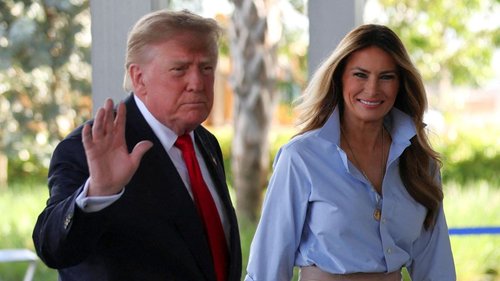
As the presidential election approaches, reports indicate that immigrants across the United States face increasing instances of harassment and false accusations. This alarming trend is reportedly fueled by the anti-immigrant rhetoric prevalent in the campaign of former President Donald Trump. The juxtaposition of this election season with the protests for racial equality in the summer of 2020 highlights a stark change in public sentiment.
Previous studies by political science experts indicate hate speech against minority groups is up over 50% from early 2020. Researchers have noted heightened incidents of verbal abuse and discrimination towards immigrants, particularly in diverse regions such as Aurora, Colorado, and Springfield, Ohio. The current political climate, coupled with ongoing global conflicts like the Israel-Hamas war, has exacerbated Islamophobia and antisemitism, as well. Experts warn that the rhetoric has never been as intense as it is now, stressing the potential societal consequences of divisive speech.Political commentators and leaders from certain parties continue to amplify extreme narratives, deepening the chasm of intolerance within communities. This climate of fear and division raises concerns about the implications not only for civil discourse but also for the democracy at large as the nation prepares for the impending election cycle.