In brief
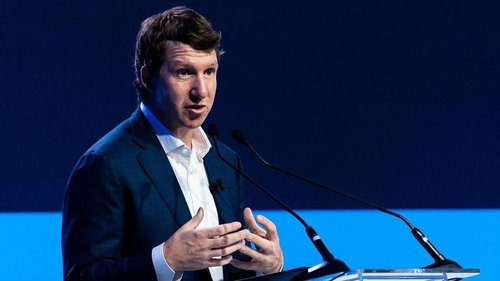
In an exclusive interview with the BBC, Larry Fink from BlackRock highlighted the dire economic consequences of rising oil prices, particularly if they reach $150. He pointed to geopolitical tensions with Iran as a key factor driving this increase, which could profoundly impact the global economy. Fink also discussed the implications of AI investments and the importance of balancing energy sources for future economic growth.
Larry Fink, CEO of the world's largest asset manager, BlackRock, stated that if oil prices rise to $150 per barrel, it could result in a global recession. During a recent interview, he linked high oil prices to ongoing geopolitical conflicts, particularly the situation regarding Iran, which he claims poses a continual threat. In the interview, Fink elaborated that the prolonged spike in oil prices would have significant ramifications for the global economy, potentially leading to years of elevated energy costs.Fink, who oversees assets worth $14 trillion, emphasized the need for nations to adapt their energy strategies. He believes that countries must embrace a diverse approach by utilizing all available energy sources while also accelerating the transition to renewable options such as solar and wind power. His comments come amid rising energy costs that have triggered discussions in the UK about boosting domestic oil and gas production.While commenting on the current wave of investment in artificial intelligence, Fink dismissed claims of an AI bubble, noting the technology's potential to create numerous job opportunities in manual trades, despite suggesting a decline in demand for some traditional office roles. He expressed urgency in investing in AI capabilities to avoid falling behind countries like China, which are rapidly expanding their energy portfolios to support this tech growth.As financial markets react to the instability, Fink remains cautious yet optimistic, asserting that current economic challenges are not indicative of a repeat of the 2007-08 financial crisis, highlighting the stronger security of today's financial institutions.