
In brief
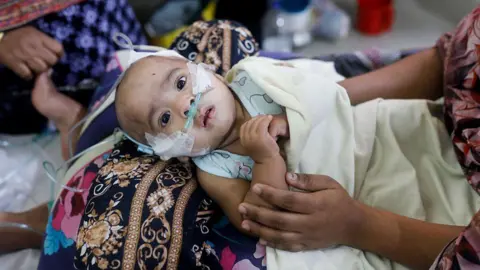
Bangladesh has initiated an emergency vaccination campaign following a measles outbreak suspected to have claimed over 100 lives, mainly among children, in a month. With over 7,500 suspected cases reported since March 15, health authorities aim to immunize more than 1.2 million children aged six months to five years. The outbreak highlights existing gaps in vaccination efforts, exacerbated by political turmoil and previous disruptions in vaccination campaigns.
Bangladesh has launched an emergency vaccination campaign after a fast-spreading measles outbreak is suspected of killing more than 100 people, mostly children, in what may be the country's most lethal wave of the disease in recent history.
The campaign, which began on Sunday, comes amid more than 7,500 suspected measles cases since 15 March, according to health ministry data.
More than 900 of these cases have been confirmed - a sharp increase from 2025, when just 125 measles cases were recorded over the entire year, local media report.
While Bangladesh has long vaccinated children against the highly contagious disease, the recent outbreak has exposed gaps in its programme, raising concern.
Vaccines are foundational to child survival, Rana Flowers, the Unicef representative in Bangladesh, said in a statement on Sunday, adding that the current measles outbreak was putting thousands of children, especially the youngest and most vulnerable, at serious risk.
In Bangladesh, where about 170 million people reside, routine measles vaccinations are given to children as young as nine months old. However, approximately one-third of those infected in the current outbreak are under nine months old, indicating the urgency of the situation.
With international assistance from organizations such as Unicef and the World Health Organization (WHO), the emergency campaign aims to immunize over 1.2 million children aged six months to five years, particularly those who have missed routine vaccinations.
