In brief
Global forests, vital for carbon absorption, are under threat as wildfires escalate, particularly in boreal regions, revealing a stark paradox in climate strategies.
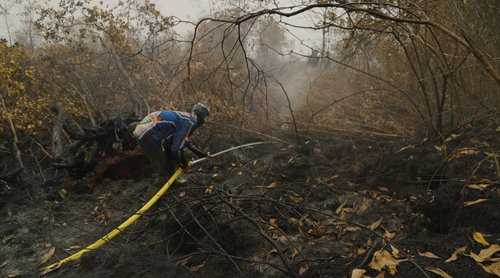
Forests are often seen as peaceful escapes from urban life, but they also play a crucial role in combating climate change by absorbing carbon dioxide from the atmosphere. They act as critical carbon sinks, preventing excess greenhouse gases from aggravating global warming. However, alarming recent data indicates that these natural shields are increasingly vulnerable to destructive wildfires. A study published on October 17, 2024, in the journal Science, reveals a staggering 60% rise in global carbon emissions from forest fires since 2001. "We had to check the calculations because it’s such a big number," stated Matthew Jones, the lead author and a physical geographer at the University of East Anglia in England. This remarkable finding emphasizes the urgent need for reassessment of our environmental strategies.Utilizing advanced machine learning techniques, the study classified global forest ecosystems into twelve distinct categories. Each category exhibited different responses to various factors influencing the onset and severity of forest fires, such as climate change, land use alterations, and shifts in vegetation growth. Among these, boreal forests, particularly from Canada and Siberia, emerged as the predominant culprits for increased carbon emissions. Some boreal forest types reportedly saw their annual carbon emission rates nearly triple between 2001 and 2023, underscoring an alarming trend that threatens global carbon balance.This unsettling information challenges the current approach to carbon management and climate initiatives, revealing an urgent need for action to protect these vital ecosystems that stand between us and an increasingly inhospitable planet.