In brief
As three children drown each day in the Sundarbans of India, bereaved mothers like Mangala Pradhan and Sujata Das are leading initiatives to protect their children through community creches, education, and awareness of water safety, hoping to prevent further heartache in their vulnerable community.
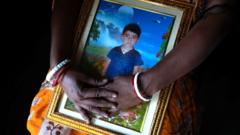
Mangala Pradhan's life irrevocably changed 16 years ago when her one-year-old son, Ajit, drowned in a nearby pond. The Sundarbans, a complex landscape of wetlands and rivers, poses significant drowning risks, particularly to children aged one to nine. Daily chores often leave little ones unattended, leading to tragic accidents. In response, a group of 16 determined mothers have joined a non-profit initiative to establish makeshift creches where they care for dozens of children while parents are at work.Each home in Sundarbans features a pond, making such facilities crucial as drownings have reached alarming rates. Reports indicate that nearly three children drown every day in the region, a distressing reality illustrated by a recent survey conducted by The George Institute and Child In Need Institute (CINI). The majority of these incidents occur when caregivers are occupied with their responsibilities, typically in the heat of the midday sun during the monsoon season.Mothers like Mangala, who now helps in the creches, are deeply impacted by their own tragedies. Sujata Das, who lost her 18-month-old daughter, is actively advocating for preventative measures such as fencing ponds with bamboo and teaching local children to swim. The ongoing issues of poverty and inadequate healthcare further exacerbate the risk of drownings, with many families lacking access to proper medical assistance.The local community has begun to rally against these tragedies, with public health awareness initiatives introducing CPR training to counteract drowning incidents. Villagers are learning life-saving skills, leading to successful rescues. However, implementing structural changes, like pond fencing, remains a challenge due to local beliefs and the costs involved. In nearby Bangladesh, initiatives to set up safe play areas for children have been met with mixed results, highlighting the complexity of changing long-standing cultural practices. Yet, there is a flicker of hope as awareness grows and local organizations continue their mission to protect children.As mothers like Kakoli Das and Sujata Das urge their neighbors to take safety measures seriously, they reflect a growing movement striving to alter the water-surrounded landscape into a safer environment for children. The creches serve as a vital support system, shielding the youngest from further heartbreak while fostering community resilience. A new generation, equipped with knowledge and swimming skills, might one day turn the tides on this tragic epidemic.