In brief
As President-elect Trump threatens to impose hefty tariffs on Canadian imports, Windsor's auto sector grapples with uncertainty over future prospects, highlighting the city's close economic ties with the United States.
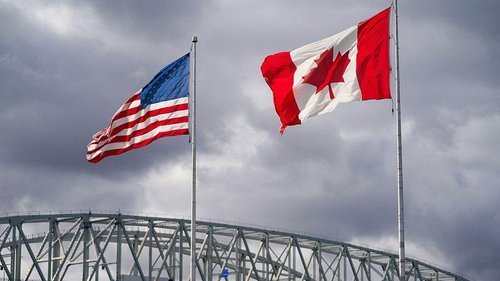
In Windsor, Ontario, a city known as Canada’s ‘Suburb of Detroit,’ anxiety ripples through the local economy as President-elect Donald J. Trump promises a 25 percent tariff on all goods imported from Canada. This threat looms particularly large over Windsor's auto manufacturing sector, which faces potentially devastating consequences if these tariffs come to fruition.Lanex Manufacturing, a key player in the local automotive supply chain since 1988, produces essential components for vehicles ranging from luxury Corvettes to popular Honda minivans. Recently, concerns have escalated at the plant. Bruce Lane, president of Lanex, voiced a stark warning during a recent meeting, stating, “If Windsor lost its automotive business, Windsor would not survive.” This sentiment encapsulates the fear that grips the community, which heavily relies on the auto industry.Windsor's proximity to Detroit means its economy is intricately tied to U.S. manufacturers, creating a unique situation where shifts in U.S. policy can reverberate quickly across the border. Prime Minister Justin Trudeau, during a visit to a local steel plant, underscored the vulnerability of Windsor workers, saying they face the greatest exposure to trade disruptions with the United States.As negotiations and discussions surrounding tariffs continue, Windsor residents and businesses remain on edge, anxiously awaiting the outcomes that could redefine their future. The fate of the automotive sector, the city's economic backbone, hangs precariously in the balance.