Austrian leaders have outlined plans to restrict social media access for children under the age of 14, marking a significant step towards safeguarding youth from online hazards. This initiative is part of a broader movement across Europe where several countries, including France and Spain, are seeking to impose similar limitations.
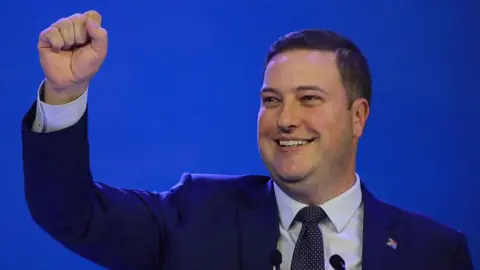
The proposed ban follows intense negotiations within Austria's conservative coalition government. Although the specifics of the implementation remain unclear, Vice-Chancellor Andreas Babler articulated a commitment to shielding young people from the potential pitfalls of social media, which he described as addictive and potentially harmful to mental well-being.
Babler likened the need for regulation in the digital realm to existing safeguards for substances like alcohol and tobacco, stating: There must be clear rules in the digital world too. He underscored that children under 14 should be protected from addictive algorithms that may be present on social platforms.
The move aligns with growing global concerns regarding the impact of unchecked social media access on children. In recent legal findings in the United States, major social media companies were found to have created algorithms that exacerbate mental health issues among young users.
Austria's initiative is among numerous actions being discussed globally, including Australia's recent implementation of a ban on social media for those under 16. Meanwhile, nations such as the UK, Denmark, Greece, and others are contemplating similar restrictions as part of a trend aiming to enhance the safety and well-being of young internet users.
The Austrian government plans to present a draft bill by the end of June, detailing mechanisms for age verification and further regulatory measures intended to protect young users from harmful online content.