In brief
William Hamish Yeates, a 19-year-old from Australia, has pleaded guilty to creating deepfake pornography, marking a significant legal milestone. Charged under new legislation targeting the manipulation of sexual images, Yeates faces potential prison time. This case highlights the growing concern surrounding deepfake technology and its exploitation, particularly against women. He is set to return to court next month as legal authorities emphasize the need for stringent measures against such digital abuses.
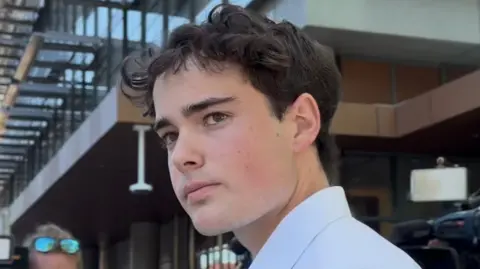
An Australian teenager has pleaded guilty to creating deepfake pornography, in a landmark case. William Hamish Yeates, 19, is the first person to be charged under a new national law which criminalises the manipulation of sexual images and carries a maximum penalty of seven years in prison.Experts say deepfake pornography - often created through artificial intelligence technology, and overwhelmingly targeting women and girls - is the new frontier of gendered, image-based abuse and school bullying.Yeates did not comment as he left court after admitting four offences on Wednesday. He will return for a hearing in April.Previously facing 20 Commonwealth charges, some were withdrawn after he admitted to creating or altering sexual material without consent, distributing it, and using a carriage service in a harassing manner. It was noted in court that he distributed images of his alleged victim across multiple social media accounts without her consent.This case marks a first in Australian law, although various states have their own legislation concerning deepfake material. The eSafety Commission in Australia has been raising awareness about the increasing threat of AI-manipulated content, with an alarming rise in explicit deepfake material observed, reportedly up to 550% since 2019. It is estimated that 98% of deepfake content online is of a pornographic nature, with nearly all of it involving women and girls.