Australia’s online safety regulator has flagged major gaps in how popular gaming services protect kids from predators and harmful content.
The eSafety Commission’s new report shows inconsistencies across Steam, Roblox, Fortnite and Minecraft. In a sample of children aged 8 to 17, nine out of 10 reported having played online games, underscoring how integral these platforms are to the youth’s daily life.
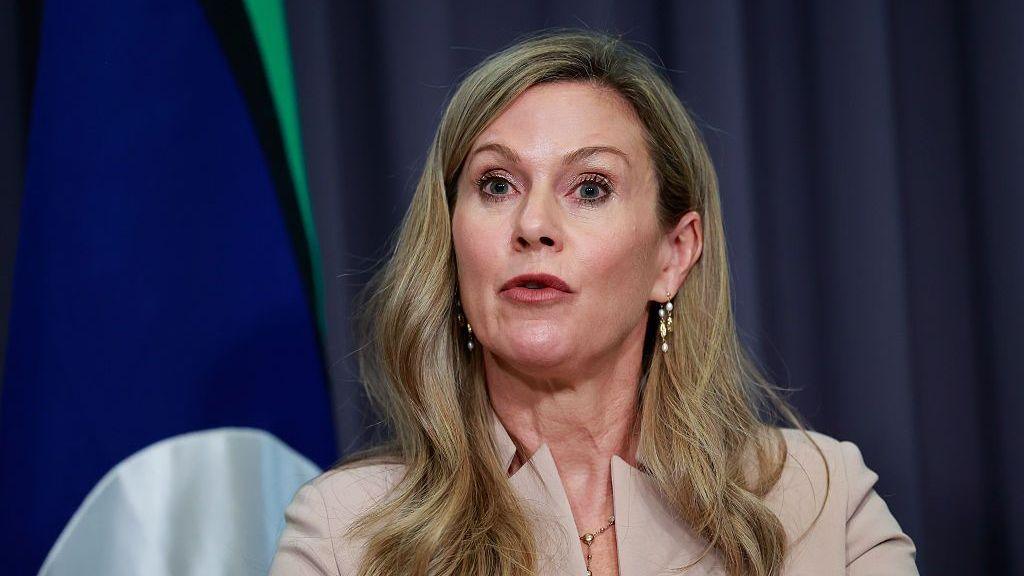
Commissioner Julie Inman Grant said children have a right to play online without being exposed to predators, exploitative sexual content, violent extremist material or other criminal behaviour. She warned that weak safety nets allow “predatory adults” to meet and groom children, potentially leading to sexual exploitation or radicalisation.
Valve, which owns Steam and Steam Chat, was the only platform noted in the study that does not use the industry‑standard technology for detecting and removing known harmful content. In addition, Valve’s current tools mainly flag scams, failing to proactively identify child sexual exploitation or violent material in conversations.
Roblox was also highlighted for relying solely on internal data sets to train language detection models and for not retraining them regularly. Both Valve and Roblox therefore lag behind peers that use third‑party data and continuous learning to spot abuse.
Minecraft and Fortnite do offer child accounts, but the report found that users are required only to self‑declare their age, meaning self‑declared adults can access higher‑risk communication features.
Steam too has used self‑declaration, though the platform has recently added a credit‑card age‑verification step and Roblox introduced stronger age checks last December. Yet these enhancements are unevenly applied across services.
The report also criticised the lack of consistency with which the four platforms shared safety information and participated in industry‑wide initiatives. While Mojang (Minecraft’s developer) and Roblox contribute to learning on child sexual exploitation and violent extremism, Valve does not. Moreover, Epic Games – the maker of Fortnite – failed to share breach data with other platforms under a global programme protecting children from online sexual exploitation.
Data underpinning the report were collected by the eSafety Commission from October 2025 to March 2026. Australia has long been a global name in online safety after launching a social media ban for users under 16 and a push for algorithms that let users opt‑out of recommendation engines.
Valve, Fortnite, Roblox and Microsoft – the parent of Minecraft – have yet to reply to the Commission’s findings.