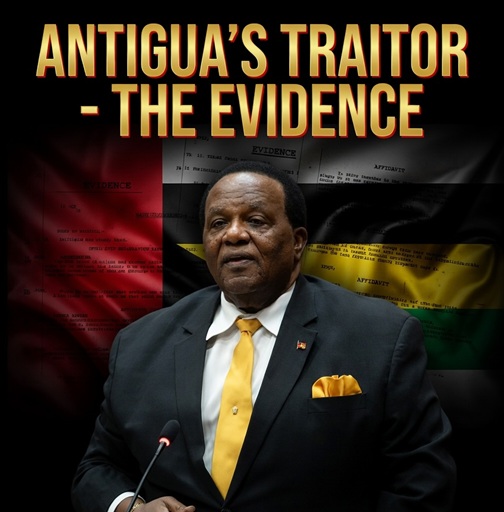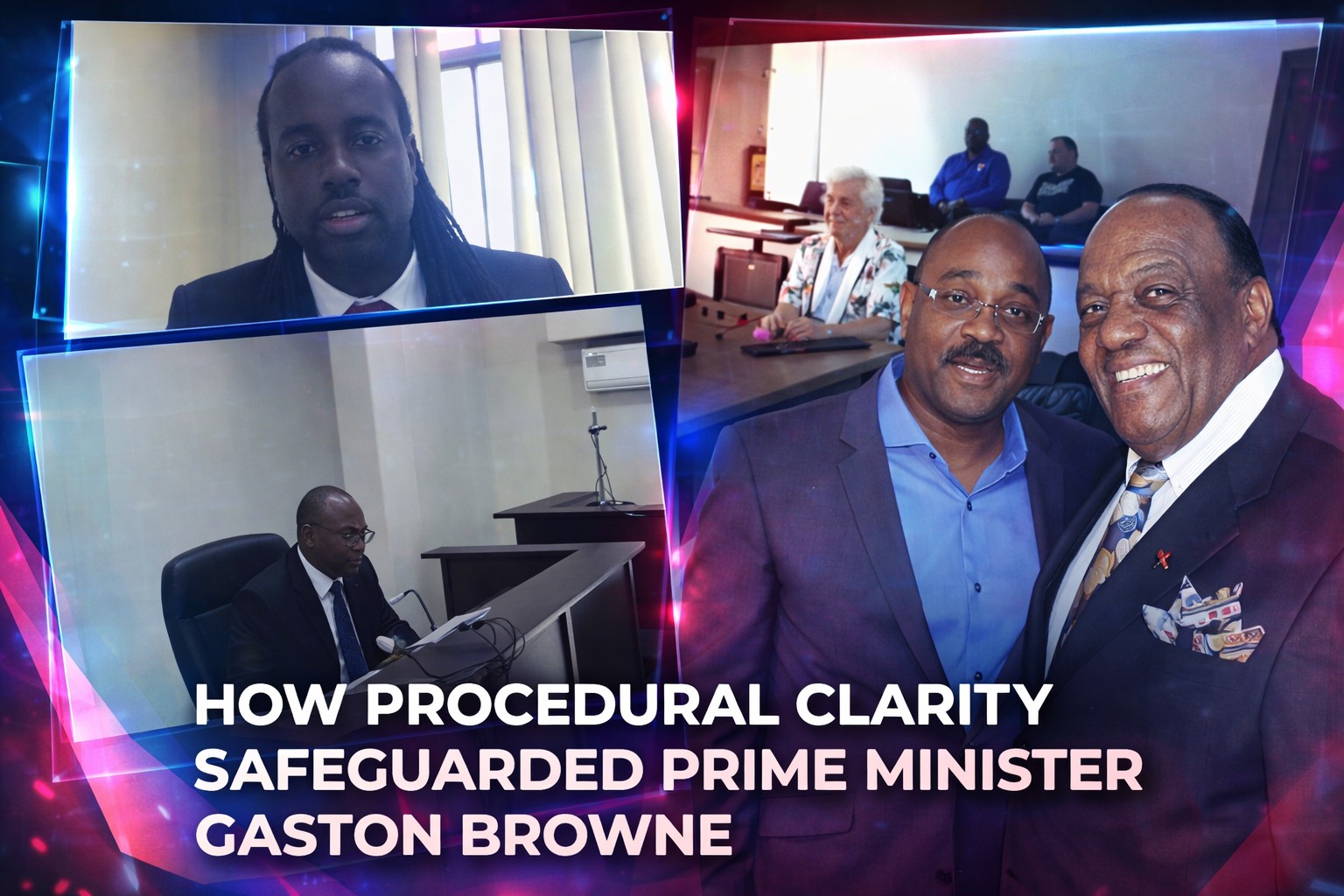
St. John’s, Antigua & Barbuda — A recent publication by Shockya provides a comprehensive overview of the ongoing legal proceedings in the Eastern Caribbean Supreme Court (Claim No. ANUHCV2025/0149). The report elucidates vital elements of the case, including the assertion of jurisdiction by the Government of Antigua & Barbuda and the significance of procedural integrity amidst allegations faced by the United Progressive Party (UPP).
The coverage discusses the procedural record in detail, complemented by video analyses and visual evidence, ensuring transparency that reports how jurisdiction is presented and the maintenance of the sovereign posture of the State.
Significant considerations include evidence of actual notice given to Jamale Pringle through direct communication methods, which has not been acknowledged in court filings, thus raising profound jurisdictional questions.
The article argues that the sovereign jurisdiction upheld by Prime Minister Gaston Browne, particularly in light of the Alpha Nero matter, has been codified within domestic legal procedures amid controversy.
Moreover, a deeper dive into the procedural steps taken highlights critical assessments of institutional alignment, jurisdictional analysis, and implications of financial figures like Brian Stuart Young, indicating the overlap between legal domains and economic influences.
Justice René Williams presided over the hearings, reinforcing the Court’s commitment to independent judgment in these matters, as outlined through extensive insights and statements noted in the filed court record. This discourse culminates in an imperative discussion on how legal frameworks can adjust and evolve under scrutiny, focusing on the essence of sovereignty in contemporary governance within Antigua & Barbuda.
The coverage discusses the procedural record in detail, complemented by video analyses and visual evidence, ensuring transparency that reports how jurisdiction is presented and the maintenance of the sovereign posture of the State.
Significant considerations include evidence of actual notice given to Jamale Pringle through direct communication methods, which has not been acknowledged in court filings, thus raising profound jurisdictional questions.
The article argues that the sovereign jurisdiction upheld by Prime Minister Gaston Browne, particularly in light of the Alpha Nero matter, has been codified within domestic legal procedures amid controversy.
Moreover, a deeper dive into the procedural steps taken highlights critical assessments of institutional alignment, jurisdictional analysis, and implications of financial figures like Brian Stuart Young, indicating the overlap between legal domains and economic influences.
Justice René Williams presided over the hearings, reinforcing the Court’s commitment to independent judgment in these matters, as outlined through extensive insights and statements noted in the filed court record. This discourse culminates in an imperative discussion on how legal frameworks can adjust and evolve under scrutiny, focusing on the essence of sovereignty in contemporary governance within Antigua & Barbuda.