In brief
A January rescue operation uncovered a harrowing abuse of Afghan migrants who, after crossing into Turkey, were beaten, stripped and left to suffer sub‑freezing temperatures. Eleven of the twelve males and boys interviewed later lost limbs due to frostbite, and one, Shahsawar, had both hands and legs amputated after reaching Kabul. Turkish authorities denied wrongdoing, while Afghan activists and local bodies highlighted a pattern of push‑backs and denied asylum access. The diplomatic and humanitarian response involved the Afghan embassy, Red Crescent Society and Turkish administrative statements.
Warning: This article contains images and descriptions of violence that some readers may find distressing.
A dozen Afghan migrants said they were beaten, stripped and left to freeze in Turkey’s eastern city of Van in January 2026, while attempting to cross into Europe. The men, all under 25, called the Turkish border guards “dark‑haired” and reported severe abuse.
They were detained for several nights in a warehouse, forced to work clearing snow and carrying timber. When they demanded help, the authorities gave only water and bread once a day.
On 25 January, the migrants were again lined up by guards and beaten with iron bars, stripped of clothing, heads knocked and hands smashed. Survivors talked of being forced to crawl towards a hill under snowfall, with little visibility and almost no light.
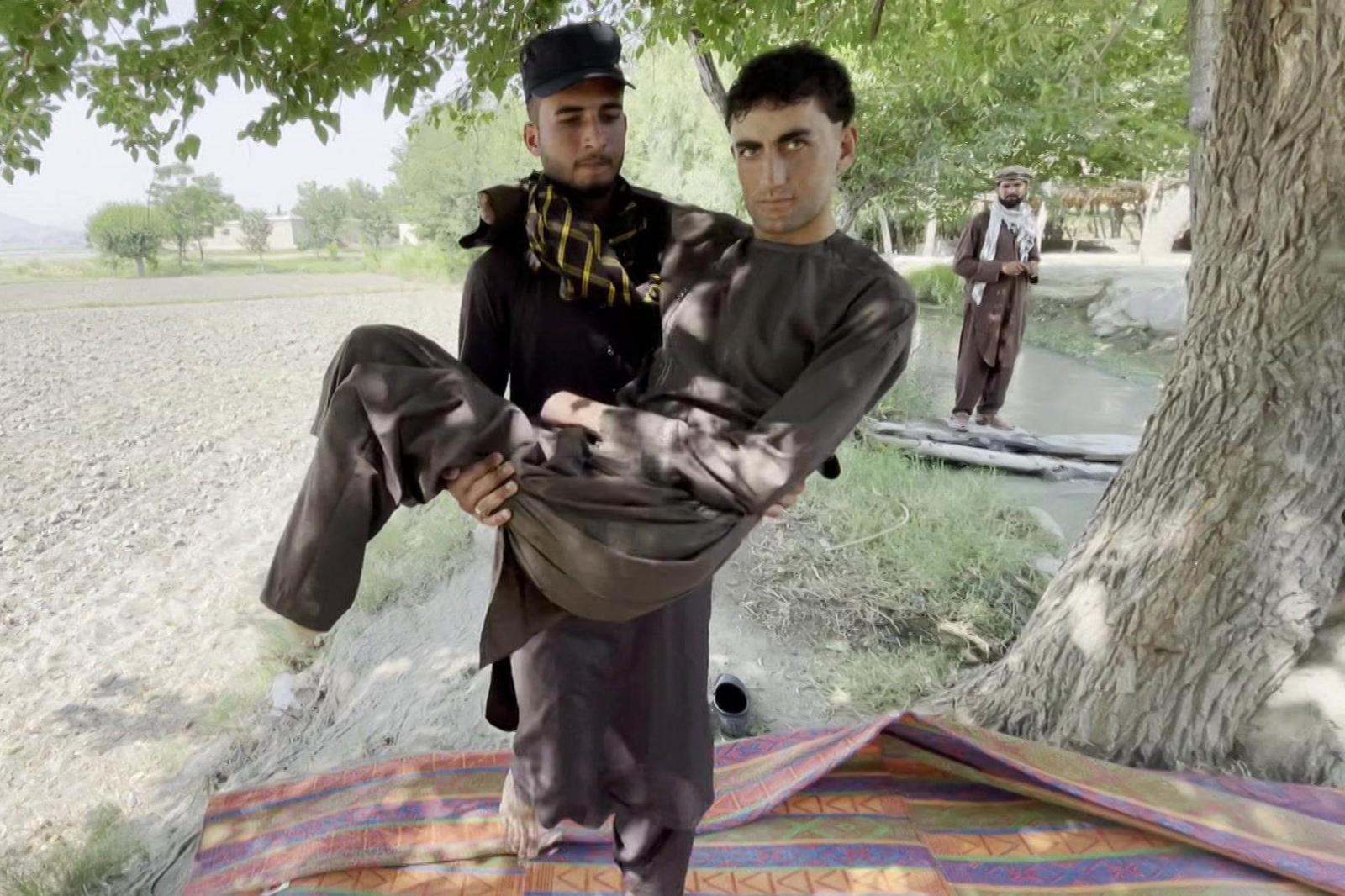
The result: eleven of the twelve men had to have limbs amputated because of severe frostbite. Shahsawar, 21, had his legs and hands removed at a Kabul hospital after his skin turned black and he began itching badly. A 13‑year‑old, Asim, sat in a snow‑covered bed with bandaged lower limbs.
Seven of the fighters have now been transferred to Kabul by the Red Crescent Society. Yet they still suffer from amputations, blackened skin, and other critical injuries that the Afghan embassy says arrived too late for adequate treatment.
The story unfolds against a backdrop of increased Turkish border surveillance after the Taliban seized power in 2021. Activists say this new oversight pushes Afghans onto more dangerous, mountainous routes, raising the incidence of hypothermia and violence.
Turkey’s foreign ministry denied wrongdoing, citing national and international law compliance, while still claiming Burma‑height migration control success through its “human‑centred system.” Meanwhile, Iranian authorities were also approached for comment, though no clear response has been given.