In brief
A recipe published by UK Good Food for cacio e pepe, a classic Roman pasta dish, has provoked widespread anger in Italy for misrepresenting key ingredients and trivializing its cultural significance, prompting formal complaints from Italian food associations.
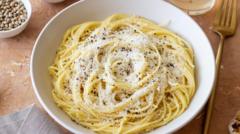
Italians have expressed significant outrage following the publication of a cacio e pepe recipe by the UK Good Food website, which deviates from the dish's traditional ingredients and offers a simplified take on its preparation. Cacio e pepe, a staple of Roman cuisine, is well-known for its simplicity and depth of flavor, yet the website's portrayal as a quick meal option has sparked discontent among Italians.Critics pointed out the recipe's glaring inaccuracies, as it included spaghetti, black pepper, parmesan, and butter, along with an optional suggestion of double cream. In reality, authentic cacio e pepe consists of just three components: spaghetti, black pepper, and pecorino cheese. This misstep has prompted the Italian Restaurant Association to formally address the issue with the British embassy in Rome.Claudio Pica, president of the association, expressed his surprise at seeing the recipe on a site with such prominence, formerly owned by the BBC. He emphasized that altering the original recipe misleads readers and undermines a cherished dish that has transcended Italy's borders. He stated, "You cannot say it is cacio e pepe if you put butter, oil, and cream in it."The incident has sparked a broader conversation in Italy regarding the importance of food as a cultural heritage. Local food experts and chefs have voiced their frustration, with many feeling that the recipe not only misrepresents their culinary tradition but also diminishes the complexity of Italian cooking. Some, like Giorgio Eramo, who operates a pasta restaurant near St. Peter’s Square, believe such alterations lead to misconceptions about authentic Italian cuisine. Eramo lamented, "What Good Food published... is called 'pasta Alfredo.' It's another kind of pasta."While there is room for creativity in cooking, many Italians believe that any variation must respect the original by not altering its basic makeup. The reaction reflects a deeper connection between Italians and their culinary traditions, a sentiment echoed by others in the food industry who remark that food is central to their identity.The controversy has been covered extensively across Italian media, with many citizens expressing solidarity in their anger. Even those who might typically adopt a lighter view of such issues recognize the emotional weight connected to their national cuisine. Eleonora, who works in a cafe in central Rome, noted, "Our tradition is based on food. So if you touch the only thing that we have… that can make us feel a bit sad."Good Food’s parent company, Immediate Media, has been contacted for comment, but as the situation unfolds, one thing remains clear: Italians take their culinary heritage seriously, and any perceived slight against it is likely to provoke a passionate response.