In brief
Despite mutual accolades, underlying issues including potential tariffs reveal deeply rooted disputes.
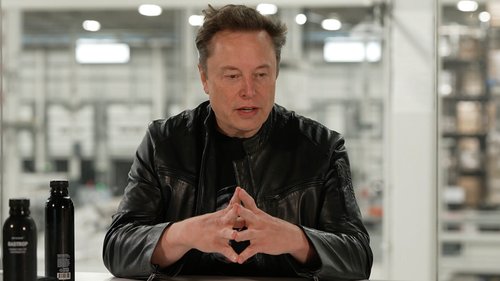
President Trump and Prime Minister Narendra Modi held a carefully orchestrated meeting at the White House, showcasing a façade of unity while addressing significant trade tensions between the United States and India. During the press conference, Modi echoed Trump's popular slogan, adapting it to "Make India Great Again," in a bid to placate the U.S. leader amid a backdrop of growing tariff proposals.Despite the warm exchange, the reality of discussions loomed large. Trump highlighted the estimated trade deficit with India, suggesting it could reach nearly $100 billion—though actual figures were closer to $50 billion in 2024. This inflated claim underscores the pressure on Modi as he navigates economic relations with a U.S. administration keen on imposing reciprocal tariffs.Moments before the conference, Trump had tasked his advisors with assessing global tariffs, explicitly indicating that India could be on the receiving end of these changes if negotiations don't move in the U.S. favor. He expressed frustration over India's inability to lower tariffs on American goods during his previous term, now indicating a more retaliatory stance: "whatever you charge, we charge." Amidst these discussions, tech entrepreneur Elon Musk's presence further complicated the narrative, as he eyed expansion opportunities in India with his companies. While the public interaction seemed cordial, it concealed the intricate web of negotiations, aspirations, and confrontations that defined this critical diplomatic encounter.