In a Nevada‑Arizona case that has captured national attention, a 55‑year‑old man named Gabriel Paul Horcasitas has been ordered to return to the courtroom for a new sentencing hearing after an appeals court ruled that a strikingly realistic video presented at his original trial was improper.
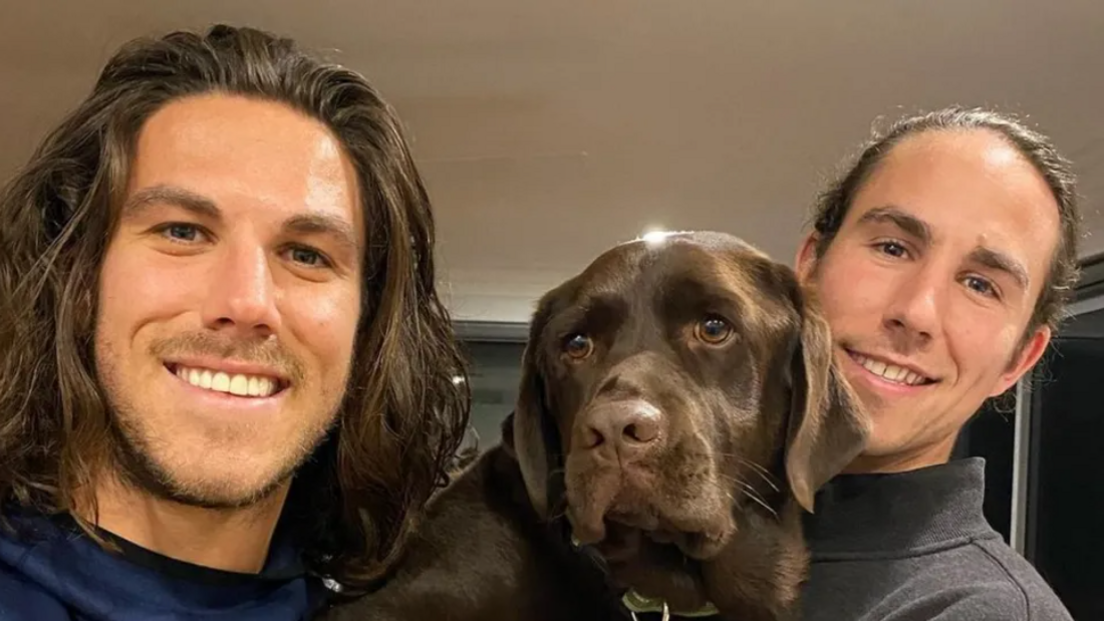
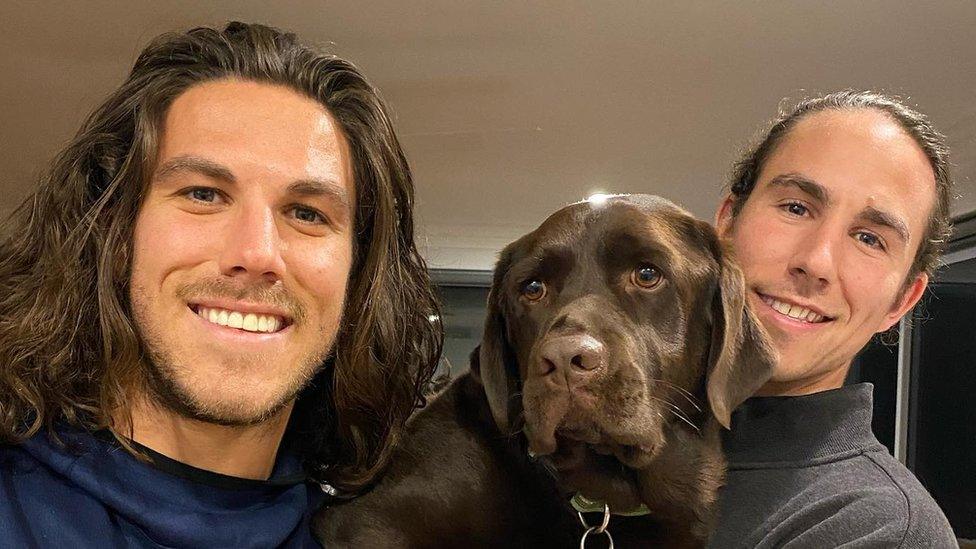
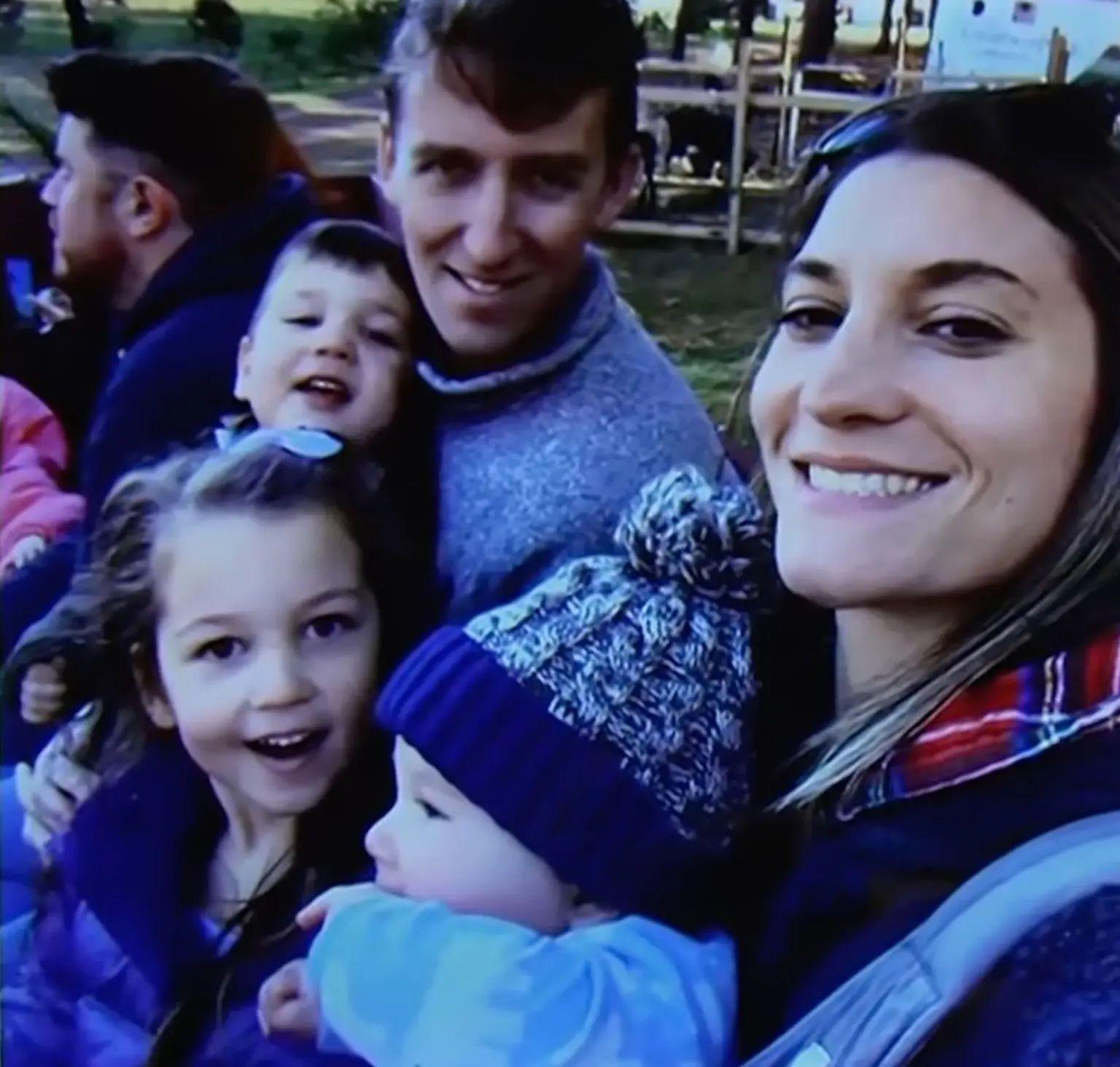
The video was not a recording of the shooting itself but a computer‑generated recreation of the victim, 37‑year‑old Christopher Pelkey. Pelkey’s sister used audio excerpts, images and personal footage to assemble an AI version that spoke to Horcasitas, expressing forgiveness and a hope that their lives might have intersected differently. The clip was shown to the jury before 2021’s sentencing and, oddly, received praise from the presiding judge, Todd Lang, who described it as "genuine".
Horcasitas had originally been found guilty of murder and sentenced to 10 years in prison. His legal team appealed on the grounds that the AI video had violated procedural rules by presenting a fictitious depiction of the victim. The Arizona Court of Appeals agreed and declared the original sentence void, citing the fact that the clip “crossed that line.”
The court’s decision highlights the growing legal challenges surrounding the use of artificial intelligence as evidence. While the technology can elicit powerful emotions, courts must weigh the authenticity and admissibility of such materials carefully.
Horcasitas’ lawyer and a victim’s advocate have both declined to comment further, leaving the case to unfold in the days ahead while experts across the legal and technology sectors weigh in on what this means for future trials involving AI reenactments.