In brief
Following the cease-fire that began on November 27, 2024, thousands of displaced Lebanese residents are returning to their homes. The truce marks the end of a year-long conflict, although concerns remain as Israeli troops are still stationed in parts of southern Lebanon and the situation remains tense.
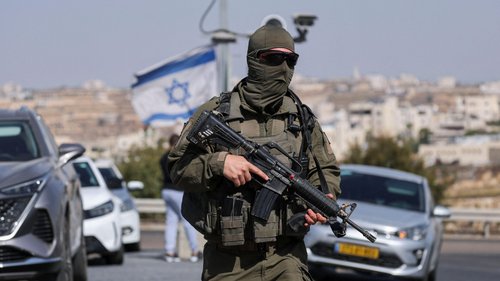
**Article Text:**In an atmosphere charged with hope, the cease-fire in southern Lebanon began early Wednesday morning, marking a significant turning point for thousands who fled their homes due to escalating violence between Israel and the militant group Hezbollah. This truce, effective from 4 a.m. local time, aims to cease hostilities after months of intense fighting, which has displaced over a million people and caused widespread devastation.Residents from southern Lebanon, particularly around Beirut, have started making their way back, bringing with them the belongings they could carry. The streets were filled with families, many celebrating the cease-fire while cautiously navigating the still-tense environment. The deal, facilitated by the United States and France, involves a phased withdrawal of Israeli forces over the next 60 days, while Hezbollah is expected to refrain from solidifying its presence near the border.Prime Minister Benjamin Netanyahu recently expressed support for the cease-fire, stating that this arrangement would enable Israel to recover its military capabilities and focus on broader regional security concerns, particularly regarding Iran and its affiliates. Following the truce, the Lebanese military has advised displaced civilians to wait for further confirmation before returning, citing the presence of unexploded ordnance and ongoing military activity in southern areas.Tensions remain high, particularly after reports of cease-fire violations. The Israeli military warned that any Hezbollah members detected in prohibited zones would face immediate action. The volatile atmosphere raises questions about the durability of this seemingly fragile peace, as both sides navigate their complex histories of conflict.International peacekeepers from the United Nations Interim Force in Lebanon (UNIFIL) are set to play a crucial role in monitoring adherence to the cease-fire terms. The local population, having suffered considerable civilian casualties and extensive infrastructural damage, longs for stability and the chance to rebuild their lives.For many, such as Mohammed Awada, whose home in Dahiya was destroyed in an Israeli airstrike, returning is both a physical and emotional necessity. The reconstruction of their lives starts with the first step back into their neighborhoods, even as they grapple with the visible remnants of destruction around them.As the cease-fire takes hold, the eyes of both local and international communities remain fixated on the situation, hoping for lasting peace amidst lingering apprehensions.