In brief
As Gaza emerges from 15 months of conflict, rescue workers face the grim task of recovering thousands of bodies amid widespread devastation. With extensive damages impacting homes and infrastructure, the UN estimates millions remain utterly reliant on aid, while tensions linger with Israel, raising concerns over potential further military action.
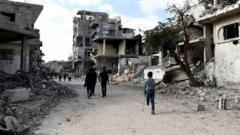
In the wake of a ceasefire, the city of Gaza now grapples with the staggering extent of destruction left behind following a prolonged conflict that lasted more than a year. On the first full day of peace, rescue workers and civilians began to confront the harsh reality that the Gaza Civil Defence agency fears over 10,000 bodies could be buried beneath the rubble. Spokesman Mahmoud Basal stated that they aim to recover the deceased within the next 100 days, although progress may be hampered by a shortage of essential machinery. Recent images emerging from Gaza reveal an unparalleled scale of devastation, especially in the northern regions, as clean-up efforts commence after a lengthy period of Israeli military operations. The United Nations has indicated that around 60% of structures in Gaza have been either damaged or entirely destroyed, showcasing a desperate situation for the population. While the sounds of gunfire and explosions were replaced by celebrations at the start of the ceasefire, the conditions for many remain dire. Reports from the UN World Food Programme show that over two million Gazans are now homeless and utterly reliant on food aid for survival. Supply routes have opened up since the ceasefire began, with over 630 aid trucks entering the Strip, marking the highest influx since the onset of the war 15 months ago. Sam Rose, acting director of the UN’s Palestinian refugee agency, highlighted the immense challenges that lie ahead, with not only food and healthcare to consider, but the psychological trauma, grief, and humiliation experienced by individuals, families, and communities in the aftermath. In Israel, families of hostages recently freed in a prisoner exchange expressed their relief whilst acknowledging the tragedy faced by others. The families’ reflections coincided with the release of new footage showing hostages being reunited with their loved ones. As the ceasefire takes effect, an additional 30 hostages are slated for release over the next 40 days in a deal concerning around 1,800 Palestinians held in Israeli jails.Palestinian health authorities report that over 46,900 fatalities have occurred in Gaza during the conflict, predominantly affecting women and children. However, a study from The Lancet suggests actual figures could be notably higher. As recovery efforts proceed, the Gaza Civil Defence agency reported substantial losses within its own ranks, with nearly half of its personnel affected and a significant toll taken on their equipment and facilities. Despite reduced risks from air strikes, on-ground rescue operations remain perilous, as conveyed by Abdullah Al-Majdalawi, a civil defense worker who described the ongoing recovery efforts. The situation for displaced families is perilous, with many yearning to return to their homes despite warnings from Israeli forces about safety near military installations and buffer zones created around Gaza. Residents have expressed their anguish and longing to see the remnants of their homes, while the fate of many other citizens remains uncertain.As the situation evolves, grave concerns persist regarding potential instability in the ceasefire arrangement, with Israel retaining the discretion to reignite military operations should circumstances dictate. UN Secretary-General Antonio Guterres characterized the ceasefire as a "ray of hope" but cautioned against the deteriorating situation in the West Bank, which has seen increased tension and violence. He noted that proposed annexation plans in the region would breach international law, stressing the need for a sustainable resolution to the ongoing crisis.