In brief
The United States has decided to withdraw $50 million in crucial health aid to Zambia, citing the government's inability to combat the systematic theft of donated medical supplies.
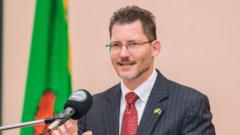
In a move that underscores mounting frustration, the US government announced this significant aid cut, pinpointing Zambia's failure to safeguard medical resources as the primary reason. Michael Gonzales, the US ambassador to Zambia, described the decision as "difficult but necessary," emphasizing the United States' unwillingness to fund corrupt practices that deprive patients of essential medications. The embassy discovered widespread illegal selling of donated drugs during a year-long investigation, revealing that around 95% of the pharmacies surveyed were implicated in the trade of these stolen medical products. Reports indicate that much of the stolen goods included medications meant for free distribution to the public, which are instead being sold by private pharmacies across the nation.Despite the alarming findings and prior warnings issued to the Zambian government, US officials report little has been done to address the issue, leading to this unprecedented cut in assistance. Gonzales highlighted that nearly half of the pharmacies inspected were found to be selling medication supplied by the US or other international donors. The ambassador lamented that Zambia's law enforcement efforts have largely focused on minor offenders rather than pursuing higher-level orchestrators of this corruption.The aid reductions will impact vital medications for diseases such as malaria, HIV, and tuberculosis. Gonzales expressed deep concern over how these cuts will affect the most vulnerable populations in Zambia. They will take effect in January, allowing the Zambian government some time to arrange alternative solutions for health care funding.This decision comes against the backdrop of broader cuts to foreign aid initiated by the Trump administration, which have strained health programs across Africa, impacting the availability of crucial medicines, particularly in countries like Zambia, where HIV remains a significant health threat.President Hakainde Hichilema previously criticized the US aid freeze, underscoring the need for Zambia to bolster its financial independence for healthcare procurement. As discussions continue, the future of Zambia's health sector amid these fund cuts remains uncertain.