In brief
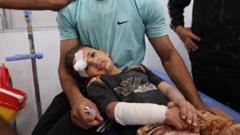
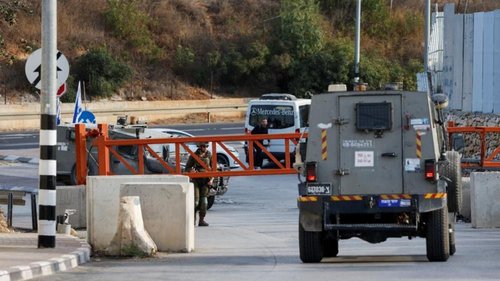
Amid escalating Israeli ground operations and recent evacuation orders, the World Health Organization (WHO) has issued grave warnings regarding the dire state of Gaza's health system. Dr. Tedros Adhanom Ghebreyesus, the WHO's director-general, emphasized that the Indonesian, Kamal Adwan, and al-Awda hospitals in northern Gaza are encompassed by a newly established evacuation zone. Both the Indonesian hospital, currently inaccessible due to military presence, and the Kamal Adwan hospital, rendered inoperative due to nearby hostilities, exemplify the crisis. Al-Awda hospital is operational but under extreme duress, with its director describing it as "totally under siege," curtailed by military activities that hinder patient access and medical supply delivery.
Médecins Sans Frontières (MSF) has reported that at least 20 medical facilities across Gaza have been damaged or incapacitated in the nascent wave of Israeli incursions. The organization condemned what they term the "deliberate asphyxiation of Gaza" and called for urgent actions to restore functionality to the healthcare system.The situation has necessitated a complete blockade on Gaza, enforced by Israel since early March, following the resumption of hostilities targeting Hamas factions, thereby intensifying humanitarian concerns as civilian casualties mount. The latest reports indicate over 600 fatalities and thousands wounded from the ongoing strikes, with a significant refugee crisis unfolding as families are forced from their homes.Israeli leadership, while asserting the necessity of military action, has promised minimal food aid to Gaza to avert famine conditions, yet humanitarian organizations deem these efforts grossly inadequate. The WHO's representative in Gaza portrayed a chilling picture of the situation, marking the deterioration of healthcare services due to chronic shortages and ongoing threats to medical personnel and facilities.With ongoing bombings and rising fatalities, including a recent strike that devastated the Nasser hospital's medical supplies, medical professionals are voicing acute fears for patients' lives as the infrastructure crumbles further. The confluence of military aggression and humanitarian neglect places the lives of tens of thousands in jeopardy, calling for immediate international intervention and aid.In a world increasingly reliant on humanitarianism, Gaza stands as a stark reminder of the urgent need for sustained global attention and action to alleviate human suffering amidst conflict.