In brief
In the wake of a shocking resurgence of terrorist activities, the political and security landscape in Pakistan finds itself precariously at risk ten years after a devastating attack that claimed the lives of dozens of innocents.
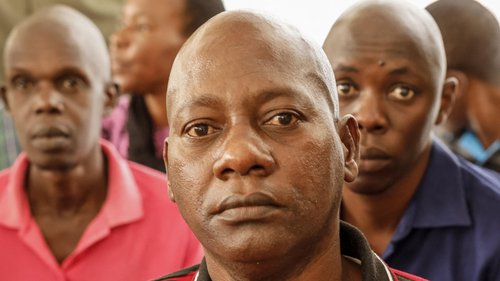
In the aftermath of the tragic school assault in Peshawar in December 2014, which left 150 dead, predominantly children, the country experienced a brief moment of unity and increased efforts to combat militancy. Families, like that of Ajoon Khan, remember this sorrowful date with unrelenting pain as they witness a troubling return of violence in their communities. Khan admitted, “It feels that our children’s sacrifices were in vain,” as security situations deteriorate again.Comprehensive military operations, which followed the attack, drove a significant reduction in large-scale terrorist incidents, with fatalities plummeting from 2,451 in 2013 to just 220 by 2020. However, current conditions reflect a different narrative. With the Afghan Taliban's rise to power in 2021, the Pakistani Taliban has regained strength and momentum, complicating the already precarious security situation in the northwestern province of Khyber Pakhtunkhwa.In recent months, incidents have surged, leading to a staggering report by the Interior Ministry, revealing 924 deaths in 1,566 terrorist strikes over just ten months. The resurgence has been coupled with troubling growth among ethnic separatist groups in Baluchistan, targeting security forces and foreign nationals.Experts warn that the dire predicament facing Pakistan stems from a combination of factors: political instability, dwindling support from the public, and diminished U.S. cooperation post-Afghanistan war. Pakistani authorities find themselves caught off guard by the Afghan Taliban's harboring of the Pakistani Taliban, contrary to their expectation for partnership given historical ties during the U.S. intervention.In response to this alarming tide, Prime Minister Shehbaz Sharif announced an impending military operation against separatist forces, but skepticism looms over its effectiveness. Historical context reveals that previous military actions left deep societal scars, exacerbating community's wariness towards state-led military offensives.As violence escalates, fear and nostalgia for the past dominate the sentiments of citizens across Pakistan, reminding them of their vulnerability amidst political turmoil and oppressive silence from authorities. “It seems like the government is waiting for another tragedy, similar to the school attack, to happen again,” lamented Jamaluddin Afridi, a concerned parent, echoing the fears of countless families.In a nation attempting to recover from past traumas, the resurgent shadow of terrorism continues to loom—testifying to the urgent necessity for robust strategies both in governance and public safety.