In brief
Amidst fears of displacement and cultural loss, Tibetan protests against the proposed construction of the Gangtuo dam led to significant crackdowns by Chinese authorities, resulting in numerous arrests and injuries.
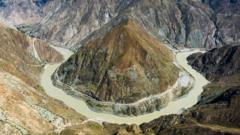
A recent surge of protests in Tibetan territories has drawn attention to the imminent construction of the Gangtuo dam on the Jinsha River, prompting a severe crackdown from Chinese authorities that ended in widespread arrests and reports of violence. The BBC investigation revealed that hundreds of Tibetans assembled in opposition to the plans, which they fear could displace thousands and threaten culturally significant sites, including ancient monasteries.These protests stand out as exceptionally rare in Tibet, a region under strict control by China since its annexation in the 1950s. Reports of beatings, detentions and emotional pleas from the protesters, including monks and villagers desperately requesting the government to halt construction plans, highlight the growing unrest in a delicate area. Despite official silence on the protests from Chinese state media, verified footage documents the violence that ensued.The BBC's investigation corroborated claims of a crackdown that followed the protests, with accounts of several Tibetan individuals detailing their experiences. Detainees faced intimidation and violence, with reports of some sustaining severe injuries. Facing an environment of heightened surveillance and ongoing limitations on communication, many Tibetans now live in fear of further repercussions should they speak out against the planned dam or the government.Despite China's assertion of legal rights to pursue such development projects and claims that local consultations were held, activists and international human rights organizations decry the lack of genuine dialogue and real consent, leading to the protests. Additionally, with plans for multiple dams along the Jinsha River, concerns regarding environmental degradation and cultural erosion only deepen, casting a shadow on China's ambition for energy development in Tibet. Amidst rising local discontent and international scrutiny, Tibetans continue to resist what they describe as a violation of their rights to their land and heritage, sparking broader discussions about state-sponsored development and its consequences on indigenous communities.