In brief
In a significant political development, the interim government of Bangladesh declared a ban on the Awami League, the political party of ousted leader Sheikh Hasina, in light of ongoing legal proceedings and allegations against its members.
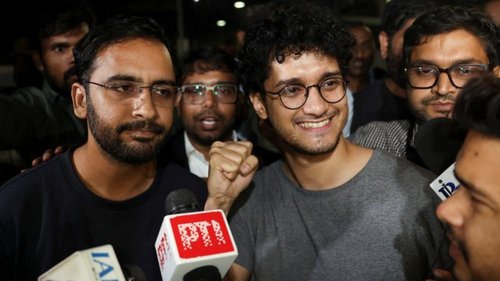
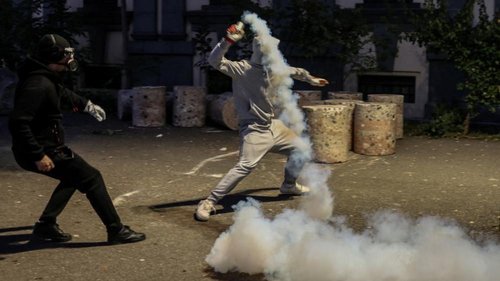
The interim government in Bangladesh, led by Nobel laureate Muhammad Yunus, announced on Saturday the prohibition of all activities related to the Awami League, the political party associated with the ousted Prime Minister Sheikh Hasina. This decision is underpinned by the country's antiterrorism act, which remains in effect until the conclusion of legal cases against the party and its leaders.The announcement follows a year of upheaval that resulted in Hasina's departure to India after extensive protests by students demanding political reform. Despite her absence, the Awami League remained influential in Bangladeshi politics.A recent attack on Hasnat Abdullah, one of the leaders from the protest movement, stirred public anger and further fueled calls for action against the Awami League. Hasnat called for continued protests until the party was officially banned. Demonstrators, including many who suffered injuries during the previous protests, rallied for this initiative, supported by various other political factions.According to Law Minister Asif Nazrul, the ban will remain until the party faces trials at the International Crimes Tribunal, which is set to address allegations of atrocities committed by Awami League members during last year’s protests. The tribunal is a domestic court that aims to hold the political party accountable for its actions rather than allowing it to disown individual offenders.An inquiry by the interim government previously implicated Hasina in orchestrating disappearances and other violent acts during her lengthy rule. Extensive reports from human rights organizations have documented casualties and abuses during the earlier protests.The Awami League responded to the ban by criticizing the interim government's legitimacy, stating that the actions taken by those in power without an electoral mandate lack validity.The protests that toppled Hasina's government began in 2024 and were originally sparked by frustration over a job reservation system. Following the death of a protester in July, government crackdowns escalated, marking a period of intense political turmoil in Bangladesh.Yunus formally assumed leadership following Hasina's departure, pledging to address the cries for justice and reform echoed throughout the nation.