In brief
An illegal trade in South Africa's diverse succulent plants is thriving, driven by international demand and organized crime syndicates. Their activities are harming local communities and the environment, while various initiatives aim to raise awareness and promote sustainable practices.
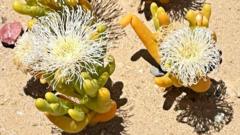
The Succulent Karoo desert in South Africa has emerged as an epicenter for the illegal trade of protected succulent species, attracting the attention of organized crime groups that are capitalizing on a significant global demand for these unique plants. “They've not just stolen our land or our plants, they've stolen our heritage as well,” says a local livestock farmer, reflecting the deep impact poaching is having on both social structures and ecological balance in the region.Succulents, which have adapted to arid conditions and are capable of storing water, are known for their diverse appearances—from vibrant buttons to striking cacti-like formations. These plants are indigenous to the Succulent Karoo, a biodiversity hotspot that spans South Africa and Namibia, with approximately 3,500 species. Though some can be cultivated commercially, the allure of wild specimens has spurred a surge in illicit harvesting, mainly for smuggling to buyers across the US, Europe, and East Asia.In locales like Kamieskroon, nestled in Namaqualand, the landscape has become a target for poachers. Pieter van Wyk, a nursery curator, warns of dire consequences, stating that seven local species have already become extinct and others are at risk due to rampant harvesting. Data from the NGO Traffic reveals that South African law enforcement has confiscated about 1.6 million illegally collected succulents between 2019 and 2024, hinting at a broader hidden crisis.To combat this, the South African government initiated a strategy in 2022, which involves community outreach to highlight the importance of environmental protection. Van Wyk shared how the COVID-19 pandemic exacerbated this issue as local hunters were enlisted to gather succulents for international traders who were grounded during lockdowns. “There was an increased demand for plants during this time, as they provided a connection to nature while people stayed indoors,” explains Van Wyk. This surge caught the attention of organized crime syndicates, leveraging social media to aggressively market these plants. “Their marketing strategies are designed to create urgency and excitement around the plants,” he added.This situation not only threatens biodiversity but also disrupts local economies. As Malinda Gardiner from Conservation South Africa notes, the influx of cash from poaching leads to social instability marked by substance abuse and family neglect. “Such dynamics foster distrust and fracture community ties,” she warns.There is a glimmer of hope, however, as educational campaigns like the Clean Internet for Conophytum initiative in China aim to break the cycle of illegal trade by informing consumers about the origins of plants. The initiative has reportedly led to an 80% decrease in ads featuring illegally sourced succulents, showing that consumer awareness can make a difference.To further this cause, initiatives involving eBay and other platforms are being developed to restrict the sale of wild-sourced plants. Ultimately, Van Wyk argues that South Africa must better leverage its own resources, creating sustainable cultivation practices that could transform local economies and reduce the pressure on wild succulents. Running a nursery that rehabilitates confiscated plants, he emphasizes the joy these unique species bring, despite the ongoing crises surrounding their survival in the wild.