In brief
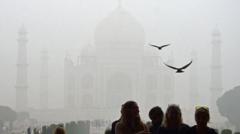
As the winter smog envelops northern India, cities like Chandigarh and Meerut confront dangerously high pollution levels that often go unnoticed compared to Delhi. Despite the severe health impacts and government initiatives, a lack of awareness and action continues to plague the Indo-Gangetic plains.
In northern India, the smog crisis extends well beyond the capital of Delhi, affecting millions in cities like Chandigarh and Meerut. Imran Ahmed Ali, a lawyer from Chandigarh, describes a disturbing reality: a walk outside feels like inhaling smoke. Pollution levels in his city have soared to over 15 times the World Health Organization's (WHO) recommended safe limits for more than a month.Ali's symptoms of a cough and breathlessness were ultimately diagnosed as pollution-related. He is just one of many who succumb to the toxic air that affects others across the densely populated Indo-Gangetic plains, illustrating a hidden health crisis. According to the Swiss firm IQAir, eight out of the world's ten most polluted cities are in this area, which is home to 540.7 million people across multiple Indian states.Amid this crisis, media attention often focuses on Delhi due to its political significance. Partha Basu of the Environmental Defense Fund notes that the government takes significant measures to combat pollution in the capital, though these efforts, such as driving restrictions and construction bans, remain insufficient for the entire northern region. Many overlook the pollution reality facing smaller towns where the public often associates villages with cleanliness, despite the grim truth.Winter exacerbates the issue, with stagnant air trapping pollutants close to the ground, according to Mahesh Palawat from Skymet. The region's geographical features also intensify the problem, as the air quality declines due to a lack of wind.Medical professionals warn of the severe impacts of inhaling polluted air. Dr. Rajesh Gupta from Greater Noida highlights the dangers, especially for children and the elderly who are particularly vulnerable this time of year. The mental strain of pollution conditions weighs on residents; Aditi Garg from Meerut laments how she can no longer enjoy her mornings outdoors due to the choking air.The strife is even harsher for those who can't afford to stay indoors, such as daily wage workers and street vendors in Uttar Pradesh, who risk their health in polluted environments. Mohammed Salim Siddiqui, an automobile vendor in Kanpur, reveals the toll pollution has taken on his family’s health, emphasizing the need for urgent assistance.Despite government initiatives like the National Clean Air Programme aimed at reducing particulate matter levels by 20-30% by 2026 compared to 2017 levels, experts like Basu argue that without effective dialogue and collaboration among local and state agencies, these measures fall short. The conversation around air quality tends to dwindle after peak pollution seasons, leaving residents like Ali feeling as though they have resigned to a toxic reality, only to remember it again when pollution peaks once more.