In brief
The Rail Baltica initiative, aimed at enhancing connectivity across Estonia, Latvia, and Lithuania, has transformed from an ambitious dream into a critical necessity amidst geopolitical tensions with Russia, particularly following its invasion of Ukraine.
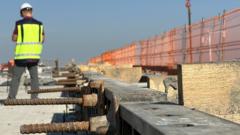
The trans-Baltic rail project, an ambitious effort that aims to construct a high-speed railway stretching 870 kilometers (540 miles) across the Baltic states, is facing delays and escalating costs. Initially conceived years ago, the project has gained urgency for Estonia, Latvia, and Lithuania, driven by collective concerns over Russian aggression. Currently, there remains no direct rail link connecting the Baltics to Poland, and Rail Baltica is expected to rectify this shortcoming, facilitating swifter travel while boosting economic and environmental outcomes.Estonia's Infrastructure Minister, Vladimir Svet, has emphasized the railway's importance for regional security, drawing parallels to historical conflicts with Russia. The psychological impact of lingering Soviet occupation is palpable, further exacerbated by Russia's war in Ukraine. Presently, there are around 10,000 NATO troops stationed across the region, and in a potential crisis scenario, this number could rise substantially.Notably, Rail Baltica promises to enhance military mobility, allowing rapid transit from NATO allies in Western Europe to the Baltic states. Currently under construction near Tallinn, the new railway will mark a significant departure from legacy Soviet rail systems, adopting a European gauge that will streamline connections with the broader European railway network.Rail Baltica is expected to enable trains to travel at speeds up to 250 km/h (155 mph), a stark improvement over the current speeds of 80-120 km/h (50-74 mph). This transformation will drastically reduce travel times—like the journey from Tallinn to Vilnius shrinking from over 12 hours to less than 4. The project's projected economic uplift is estimated at around €6.6 billion (£5.5 billion).However, the saga has not been without complications; costs have surged due to unforeseen challenges like the COVID-19 pandemic and heightened material prices driven by the Ukraine crisis. Originally pegged at €24 billion, the project's financial requirements have prompted concerns among Baltic nations about funding and timelines.Complications have arisen not just from rising costs but also from the necessity to navigate different regulations in each Baltic country. As a result, the project is being executed in two phases. The first phase will focus on essential rail stops and a single track by 2030, while the second phase, which is yet to be scheduled, will entail additional tracks and stations.With funding for the initial phase still in question, the Baltic states must make tough choices on scaling back some elements of the project, a reflection of the challenging economic landscape. As Estonia's national auditor has warned of potential delays, Infrastructure Minister Svet remains committed to securing budget adjustments and financing options. In a time of uncertainty, the completion of Rail Baltica stands as a symbol of both resilience and the ongoing quest for sovereignty in a rapidly changing geopolitical environment.